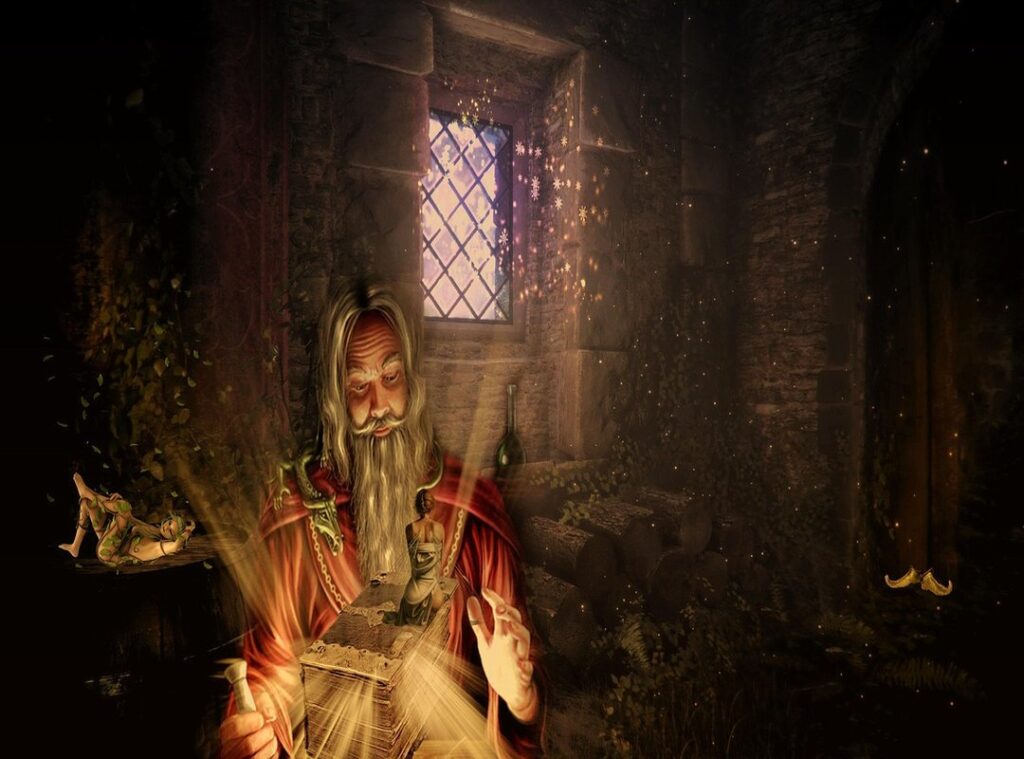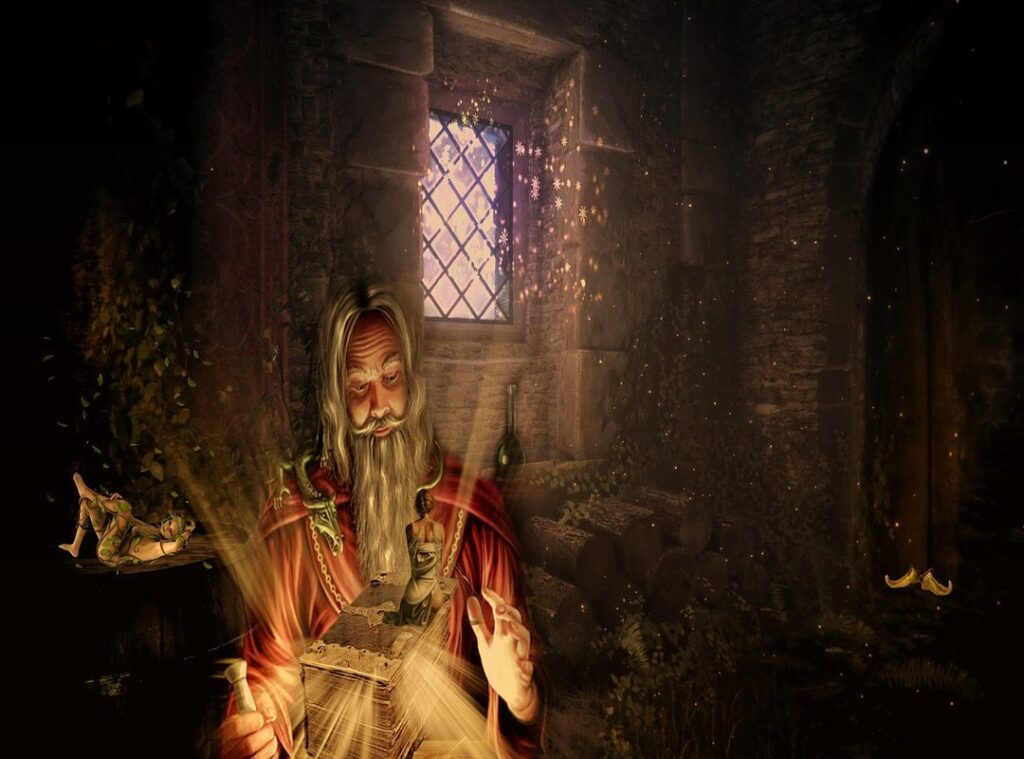
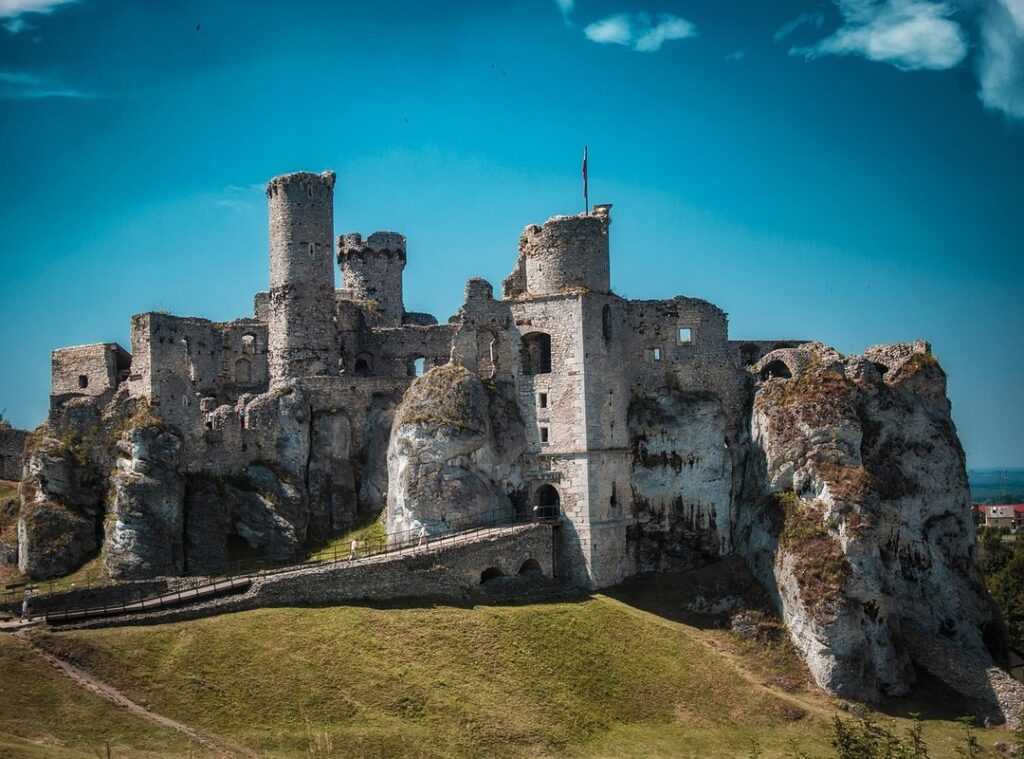
Stories transport us. We all crave that escape into worlds filled with magic and adventure. But have you ever wondered where these tales come from?
In this article, I’ll dive into the origins, common elements, and the lasting power of fantasy stories and legends. I pull from a deep understanding of game lore and narrative structures, so I can offer a unique perspective on these foundational narratives.
You might be surprised by how much ancient tales shape modern fantasy, especially in gaming. The way stories intertwine with gameplay creates a rich experience that goes beyond just escapism.
Understanding witcher myths and lore opens up new dimensions in our appreciation for contemporary fantasy.
I promise to guide you through this exploration, shedding light on the elements that make these narratives enduring. By the end, you’ll have a clearer view of how these age-old stories continue to influence our modern experiences.
The Magic of Legends: Tales That Transcend Time
Fantasy tales and legends might seem like two sides of the same coin, but they have their details. Fantasy tales dive headfirst into worlds brimming with magic, mythical beings, and those “how is that even possible?” events. Think “Jack and the Beanstalk” or “The Hobbit.” Legends, on the other hand, sit a bit closer to reality. They mingle history with fiction, serving up stories about figures like King Arthur or Robin Hood.
Ever wondered why we love these tales? It’s because they spark our imagination, offering a system to understand the impossible (or) the yet-to-be-known.
Here’s where it gets interesting: legends often lay the groundwork for fantasy tales. You see, those historical whispers of heroics and supernatural feats morph into full-blown, imaginative narratives. Both share common traits: magic, heroic quests, and mythical creatures.
But while a legend might talk about a hero’s real (or maybe real) feats, a fantasy tale takes you on an adventure through enchanted lands with dragons and sorcery.
And let’s face it, modern-day “witcher myths and lore” owe much to these age-old stories. They’re the reason we still crave tales of the fantastical, blending the known with the unknown. So, are you ready to dive into these worlds?
Ancient Echoes: Unraveling Mythic Narratives
Ever wonder why we love fantasy tales so much? It’s not new. Our obsession with myths goes way back.
Ancient societies, like the Greeks with their pantheon of gods or the Egyptians with their epic deities, had their own stories. These tales weren’t just entertaining. They explained the unexplainable and helped people cope with life’s big questions.
Take Gilgamesh, for example. It’s one of those foundational myths. It introduced themes we still see today.
Stories like these were initially passed down orally. Imagine sitting around a fire, hearing tales of gods and monsters. Eventually, they got written down, which helped them spread and evolve.
Different regions shaped their myths based on local culture and geography. Norse myths, with their cold, harsh landscapes, are vastly different from the lush, fertile stories of the Egyptians. Isn’t it fascinating how stories adapt?
Even today’s games, like the Witcher myths and lore, owe a debt to these ancient narratives.
For more on how stories evolve, check out understanding halo complex storyline. The transition from oral to written form was big. It’s why we still have these stories today.
The Cast of Wonders: Heroes, Villains, and Beyond
Ever notice how fantasy stories are packed with familiar faces? There’s always the hero, sometimes a reluctant one, thrust into adventure. The wise mentor dishing out advice, the villain scheming in shadows, and let’s not forget the magical companion.
These archetypes aren’t just storytelling tools; they’re reflections of our own struggles and aspirations.
Consider the mythical creatures that populate these tales (dragons,) elves, and fae folk. They symbolize different aspects of humanity. Dragons, for example, often represent power and fear.
Our fascination with them is centuries old, like in the witcher myths and lore, where these creatures are more than just monsters.
Why do these characters and creatures connect with us? They tap into universal themes. The hero’s journey mirrors our own quests for purpose.
Figures like Odysseus and Merlin anchor stories in timeless lessons. They provide a shared language for storytelling, allowing new tales to build on ancient ones.
Our brains love patterns, and these archetypes fit perfectly. We see ourselves in these stories, whether we’re the hero, the mentor, or even the trickster. It’s this connection that keeps us coming back for more.
Worlds Beyond: Building Fantasy Dimensions
World-building in fantasy isn’t just decoration; it’s the backbone. You know that moment when a book or game transports you to a whole new universe? It’s not magic.
It’s meticulous crafting. High fantasy settings whisk us off to epic realms, while urban fantasy sneaks magic into cities we know. Dark fantasy dives into morally gray areas, and mythological reimagines ancient myths (because who doesn’t love a fresh take on Zeus?).
Think about landscapes as characters. Enchanted forests hide secrets, foreboding mountains pose challenges, and sacred rivers hold mysteries. These places symbolize the story’s themes, reflecting the characters’ journeys.
Middle-earth, Narnia, Camelot. They’re not just backdrops. They’re integral, shaping tales and reflecting cultural fears and hopes.
Let’s not forget the witcher myths and lore. They reveal how creators’ imaginations respond to our world. This cross-pollination of reality and fantasy is where the magic truly happens.
Intrigued by these layers of storytelling? Dive deeper into unraveling mysteries of elden ring. Understanding how these worlds mirror our own enriches our experience.
It’s more than just escape (it’s) exploration.
From Page to Pixel: The Legacy in Modern Gaming
Ever wonder how those epic tales in games like The Witcher came to be? They didn’t just pop up. They’re standing on the shoulders of giants (ancient) myths and lore.
These stories have been whispered through generations, from oral traditions to the spine-tingling narratives we find in video games today.
Let’s take The Elder Scrolls for example. This series borrows heavily from classic fantasy narratives. The same archetypes and world-building principles that shaped literature for centuries now fuel our games.
In The Witcher, it’s not just about slaying monsters. It’s about stepping into a world rich with lore and becoming a hero. A world inspired by ancient tales.
Why does this matter? Because interactive media lets you live these stories. You’re not just watching; you’re part of the legend.
This immersive experience lets us explore human themes and escape reality. Games like Final Fantasy and Dragon Age showcase this beautifully. They incorporate legendary structures to create worlds that connect with us.
The allure of fantasy? It’s timeless. It pushes creative boundaries and gives us a chance to explore complex human themes.
These stories aren’t just selling games. They’re offering a deep connection to the narratives that shaped us.
Dive Deeper into Fantasy
We’ve explored the rich world of fantasy and its cultural roots. Maybe you felt disconnected or missed the deeper connections. But now you understand how origins, themes, and archetypes unite all fantasy, including witcher myths and lore.
Keep the adventure alive. Revisit classic myths or dive into new fantasy novels. Discover echoes of ancient legends in your favorite games.
I invite you to share your own favorite tales or game lore finds. Let’s keep the conversation going. Your next adventure starts now.
Engage with this world and find the stories that inspire you. Share your thoughts today.
 Founder & Chief Creative Director
ryan_b7 is the founder of Glarosoupa.com and the creative mind behind its overall vision and direction. He established the platform as a dedicated hub for gaming culture, esports insight, strategy development, and immersive lore exploration. With a strong passion for game mechanics and player psychology, he focuses on shaping content that not only informs but also elevates how players understand and experience games. ryan_b7 oversees the brand’s identity, long-term growth, and creative execution, ensuring everything aligns with a unified gaming-driven purpose. His leadership blends innovation with structure, turning Glarosoupa into a space where competitive and casual gamers can both grow. He continues to push the platform toward becoming a recognizable name in the gaming and esports knowledge space.