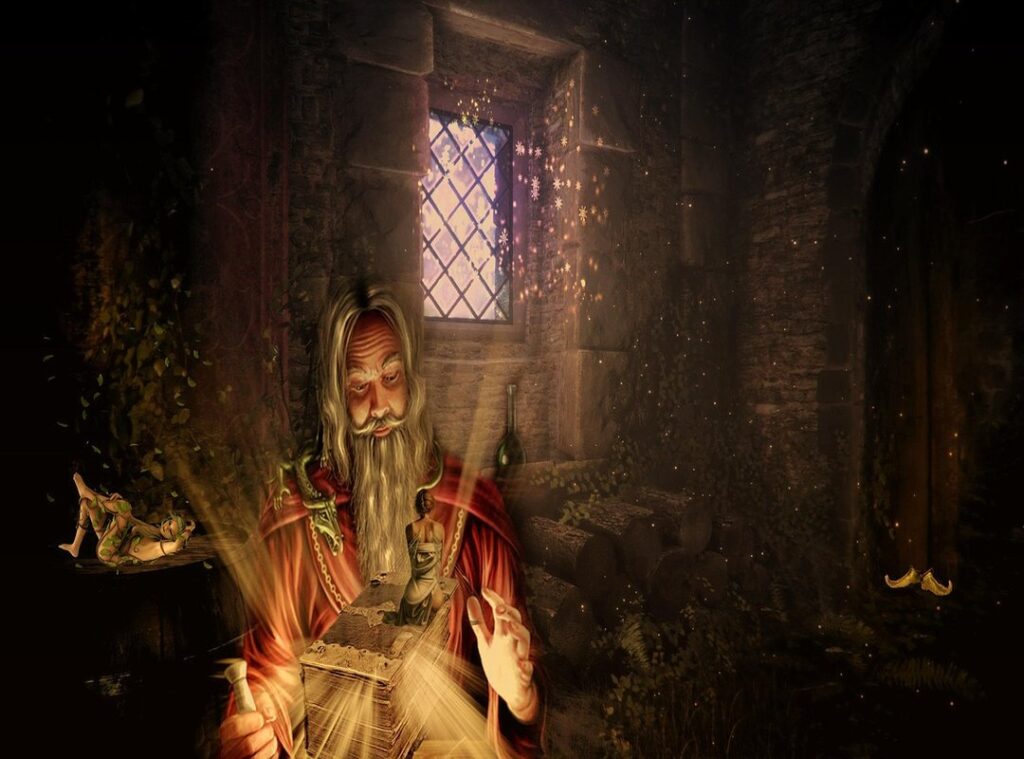
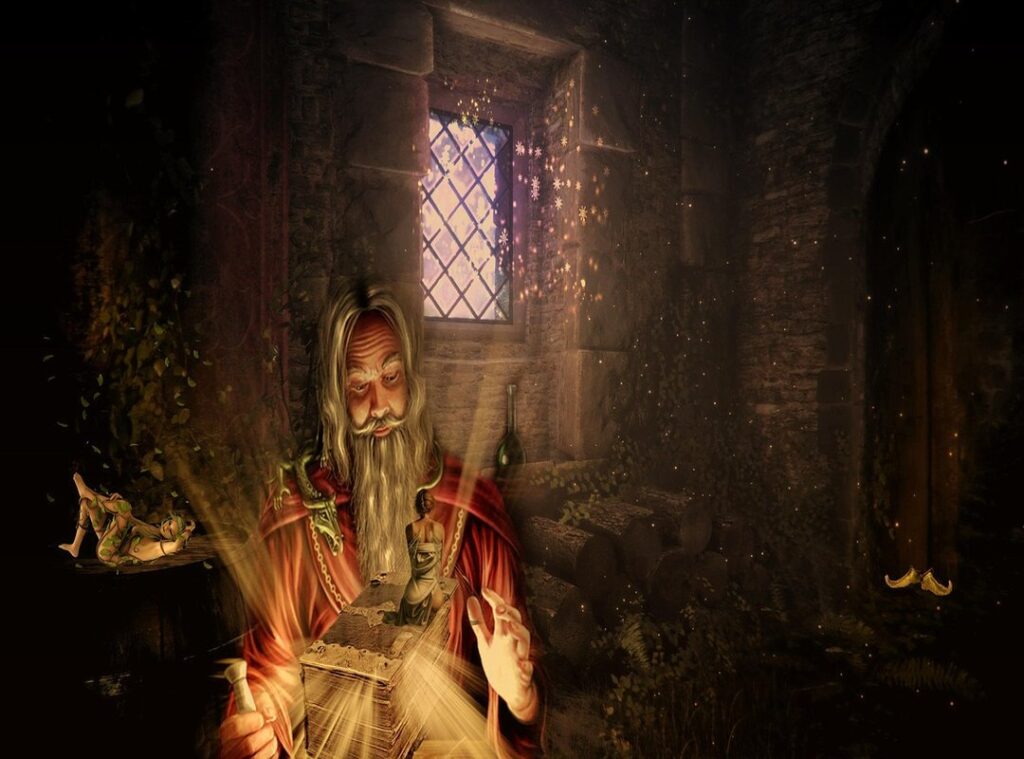
Imagine diving into a fantasy game where every twist and turn in the story grips you. You’re not just playing; you’re living an epic tale. But let’s be real (too) many games drop the ball with boring plots that leave us craving something deeper.
Why settle for generic narratives when we can explore the magic of storytelling? In this article, I’ll break down what makes a fantasy game storyline truly compelling. It goes beyond just plot points; it’s about the craft behind them.
You’ll discover the elements that can transform a game into an unforgettable journey. I’ve spent countless hours immersed in this world, analyzing the witcher game lore and other rich narratives that keep players engaged.
Join me as we break down the art of storytelling in gaming. By the end, you’ll appreciate the narratives that raise your favorite games from forgettable to legendary.
The Art of Fantasy Game Storytelling: More Than Just Magic
Crafting a compelling fantasy game storyline goes beyond stringing events together. It’s about drawing players into a world where emotions and themes run deep. When I play a game, I want to feel it.
Who doesn’t? A solid storyline needs a clear protagonist, a formidable antagonist, and a central conflict. Without these, it’s like a soup without salt.
Bland.
Fantasy stands apart with its magic, mythology, and fantastical creatures. Unlike sci-fi or historical fiction, fantasy doesn’t just rely on tech or real-world events. It weaves in the mystical.
Think of “Witcher game lore” as a prime example. It’s rich with layers of magic and moral ambiguity.
But why do some stories fall flat? Often, it’s the overused tropes. How many times can you save the princess from a dragon before it gets old?
Games like early “Final Fantasy” and “The Elder Scrolls” avoid this trap by offering unique worlds and compelling narratives.
Pro tip: When a game makes you question your choices, it’s doing something right. So next time you dive into a fantasy game, ask yourself: Does the story move you? If it does, they’ve nailed it.
The Art of World-Building: Crafting Fantasy Realms
World-building is the backbone of any fantasy story. Without it, the entire narrative crumbles. You need a richly detailed world to make the storyline believable.
Ever wonder why some stories captivate you while others fall flat? It’s the world they create.
Take the “Witcher” series. The witcher game lore is deep, with detailed geography and diverse cultures. That’s what makes it engaging.
The characters don’t just exist; they thrive in a world with history and rules. This isn’t just about maps and names. It’s about creating a living, breathing entity.
Magic systems, for example, need rules. Without them, everything becomes chaotic. Rules create tension and conflict.
They provide context for characters to face challenges and find opportunities. The same goes for political structures. They add layers of complexity to the plot.
Games like “Dragon Age” and “Lord of the Rings Online” excel at this. They make the world feel like a character itself. You become immersed.
You connect with the story on a deeper level.
Want to explore more? Check out the mysteries of elden ring. It shows how lore can boost player connection.
That’s the magic of world-building.
Character Arcs & Moral Ambiguity: Deep Dive
Character development in fantasy games is everything. I mean, who cares about a storyline if the characters are flat? You want to feel something, right?
A great character arc makes you invest emotionally. You see a protagonist grow, struggle, and maybe even fail. But it’s those failures that make them relatable.
We all love a good underdog story.
Now, let’s talk about moral ambiguity. It’s what keeps you guessing. The gray areas in games make you question your choices.
Ever played “The Witcher”? It’s packed with tough decisions. You wonder, am I doing the right thing?
This complexity makes the narrative memorable. Games like “Mass Effect” and “Disco Elysium” are masters of this.
Supporting characters shouldn’t be ignored either. Their depth and motivations add layers to the story. Antagonists?
They need complexity too. A pure evil villain is boring. Give them depth, and suddenly, you’re not sure who’s right or wrong.
And if you’re into the gritty details, don’t miss our dark souls universe explained. It’s a deep dive into game lore. Trust me, understanding these elements changes how you see the game.
It’s all about emotional investment.
Conflict & Stakes: Fuel for Fantasy
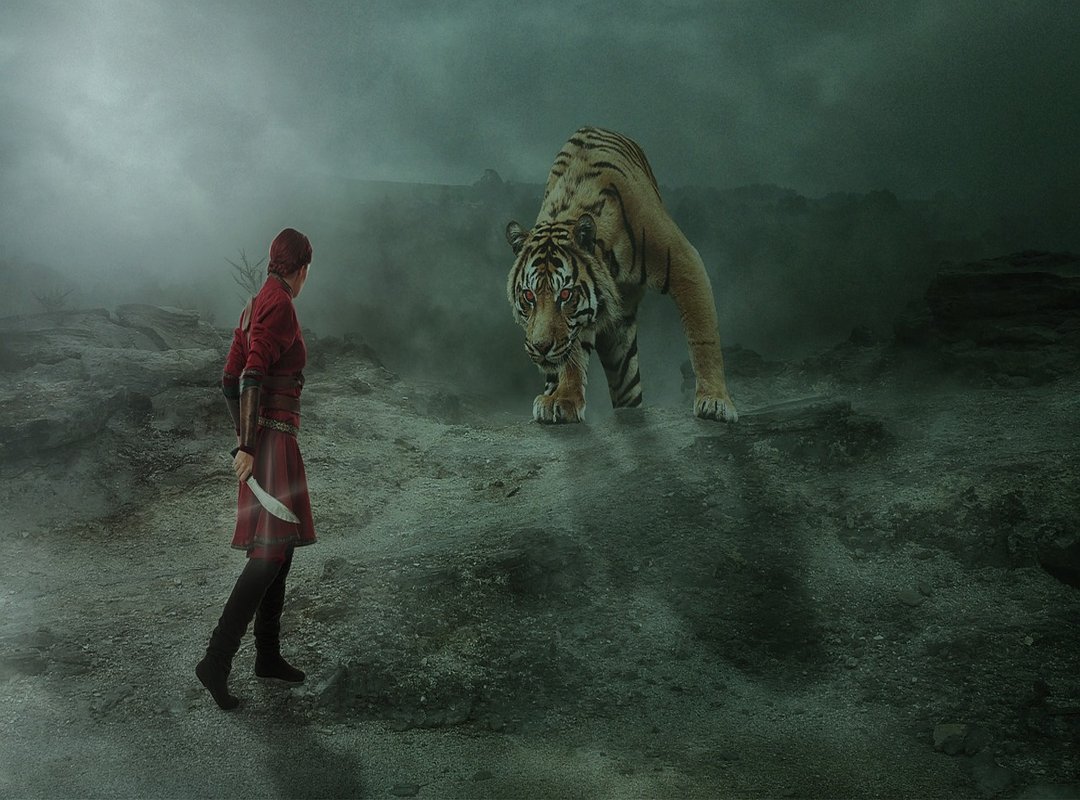
Conflict is the lifeblood of any fantasy game. It drives the story and keeps you hooked. Whether it’s a battle against a fierce dragon or a struggle within the hero’s own mind, conflict adds depth and tension.
Without it, what’s the point?
Take a look at internal struggles (the) hero grappling with doubt or fear. These moments are as gripping as any physical confrontation. Then there are external battles: epic clashes against foes or even nature itself.
Want to see this in action? Check out the witcher 1 & 2 story recap for a masterclass in balancing these elements.
Let’s talk stakes. Stakes are key. They’re what the characters stand to lose if they fail.
High stakes mean high engagement and motivation for the player. If a hero’s world hangs in the balance, you’re more likely to dive deep into the story.
Think about narrative pacing. It’s about rising action, climaxes, and resolutions. Games like “Dark Souls” and “God of War” nail this, creating unforgettable moments.
You’re not just playing; you’re on a journey. So dive into your favorite games and see how they weave conflict and stakes into a gripping tale.
Beyond the Main Quest: Uncovering Hidden Depths
You think the main quest is all there is? Think again. The magic often hides in the shadows.
Ever notice how side quests or little snippets of lore can turn a good game into a great one? That’s what makes games like The Witcher stand out. The Witcher game lore isn’t just about Geralt’s journey.
It’s the world around him that breathes life into every village and forest.
Let’s talk player choice. Does it actually matter? Absolutely.
In Skyrim and Cyberpunk 2077, every decision feels like it means something. Choices change the game, make it your own, and give you a reason to come back. When you shape the story, it feels personal.
It’s like reading a novel where you get to write the ending.
But what about environmental storytelling? Those details you pass by without noticing? They build the world more than you think.
A skeleton near a treasure chest tells its own story. It’s these small things that craft a narrative mix. true richness lies.
Games like Fallout master this art. They create worlds that live and breathe beyond the main plot. So, dive deeper.
The best stories are those you discover yourself.
Dive Deeper into Fantasy Narratives
You searched for great stories, and now you know what makes them tick. Disappointing narratives can drag down your gaming experience. Understanding these elements empowers you to spot the good stuff and appreciate the witcher game lore.
Take a moment to revisit your favorite fantasy games. You might find layers you missed before.
I encourage you to dig into new titles as well.
Share your favorite game storylines with our community. Let’s spark a discussion that fuels our passion for gaming. Your voice matters.
Join us and dive into the rich world of storytelling.
 Founder & Chief Creative Director
ryan_b7 is the founder of Glarosoupa.com and the creative mind behind its overall vision and direction. He established the platform as a dedicated hub for gaming culture, esports insight, strategy development, and immersive lore exploration. With a strong passion for game mechanics and player psychology, he focuses on shaping content that not only informs but also elevates how players understand and experience games. ryan_b7 oversees the brand’s identity, long-term growth, and creative execution, ensuring everything aligns with a unified gaming-driven purpose. His leadership blends innovation with structure, turning Glarosoupa into a space where competitive and casual gamers can both grow. He continues to push the platform toward becoming a recognizable name in the gaming and esports knowledge space.
Founder & Chief Creative Director
ryan_b7 is the founder of Glarosoupa.com and the creative mind behind its overall vision and direction. He established the platform as a dedicated hub for gaming culture, esports insight, strategy development, and immersive lore exploration. With a strong passion for game mechanics and player psychology, he focuses on shaping content that not only informs but also elevates how players understand and experience games. ryan_b7 oversees the brand’s identity, long-term growth, and creative execution, ensuring everything aligns with a unified gaming-driven purpose. His leadership blends innovation with structure, turning Glarosoupa into a space where competitive and casual gamers can both grow. He continues to push the platform toward becoming a recognizable name in the gaming and esports knowledge space.