Do you ever miss the thrill of 90s gaming? That era had a unique charm that still pulls at our hearts. Many gamers feel a longing for those classic titles but struggle to find a way to reconnect with that nostalgic magic.
I get it. The gaming world has changed, and it can feel overwhelming to dive back into it.
This guide will help you get through the 90s games revival. I’ve spent years exploring gaming history, trends, and community developments. I know what resonates with both veteran players and newcomers.
You’ll learn not just to reminisce but to actively participate in the revival.
We’ll go beyond simple memories. This article will offer takeaways into how to embrace the legacy of 90s games, making it relevant today. The gaming community has so much to share about this incredible era, and I’m excited to take you there.
Let’s rekindle that magic together.
The Irresistible Appeal: Why 90s Gaming Still Rules
Ever wonder why the 90s games revival is such a thing? I have. Those games had something special. Bold graphics?
Sure. But it was more than that. They struck a balance between challenge and fun, offering a sense of completion without the endless updates and microtransactions we groan about now.
The 90s weren’t just about pixels and polygons. It was the era of innovation. Developers pushed boundaries with CD-ROMs and 3D graphics.
Remember when Mario first jumped into the third dimension? Mind-blowing.
And then there’s the social angle. Local multiplayer was king. You had to actually sit next to someone to trash talk them. (Weird, right?) Split-screen battles and early online communities made gaming a shared adventure.
Iconic franchises emerged. Zelda, Final Fantasy, Sonic. These aren’t just games.
They’re memories, milestones. We built emotional connections with these characters. They became part of our lives.
What about the simplicity? The games were complete packages. None of this “download extra content” nonsense.
You bought your cartridge or CD, and that was it. It was all there. Everything you needed.
In the end, 90s games weren’t just about playing. They were an experience, a feeling. That’s why they endure.
The Revival Takes Shape: Modern Manifestations of 90s Gaming
The 90s games revival isn’t just a trend; it’s a full-blown renaissance. It’s like publishers woke up and remembered the magic of pixelated heroes and MIDI soundtracks. Take the “Final Fantasy VII Remake” or the “Resident Evil 2/3” updates.
They’re not just polished versions of old games. They’re reimagined, with stunning graphics and clever tweaks to gameplay. Who doesn’t want to see their favorite characters brought to life with modern tech?
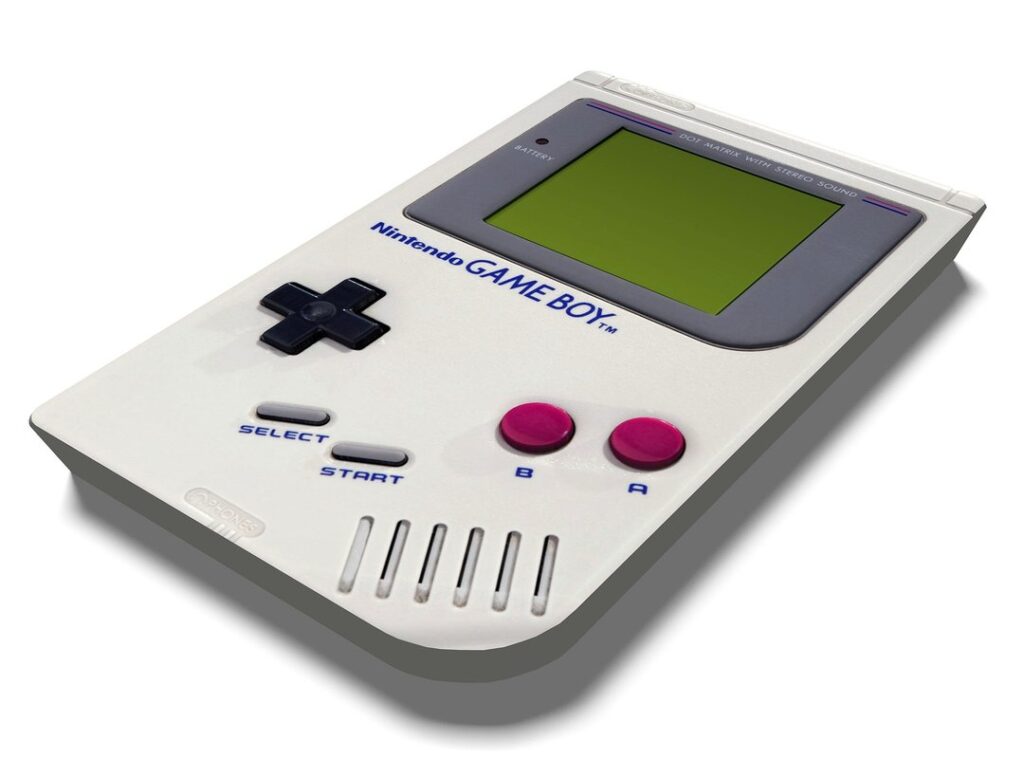
Retro consoles are another piece of this revival puzzle. The SNES Classic and PlayStation Classic are more than just nostalgia trips. They’re physical links to a simpler time when gaming was about fun, not just achievements and DLCs.
Ever tried to explain to a younger gamer why blowing into a cartridge was a sacred ritual? These mini-consoles do just that.
Then there’s the indie scene. Modern developers are diving headfirst into 90s aesthetics. Pixel art platformers and retro RPGs are everywhere.
It’s like a digital love letter to the games we grew up on. This isn’t just about graphics; it’s about storytelling and gameplay that feels familiar yet fresh.
And let’s not forget streaming. Streamers and YouTubers are introducing these classics to new audiences. They create communities around games that might otherwise be forgotten.
Want to learn the art of speedrunning techniques? There’s probably a streamer for that.
Emulation and preservation also play key roles. Digital archives make sure these games remain accessible. The 90s games revival isn’t just about playing old games.
It’s about celebrating a golden era in gaming history.
Dive Into the 90s Gaming Revival
Getting into 90s gaming? You’re in for a wild ride. But where do you start?
First, let’s talk about platforms. Modern digital storefronts like Steam, GOG, and the Nintendo eShop are your best friends. They offer loads of classics, ready to play.
Emulators are another option, though remember those legal caveats. Some folks even go for retro hardware (the real deal, right?).
Now, let’s get to the heart of it (what) to play. You can’t miss “Super Mario 64” or “Ocarina of Time.” They’re legends! “Doom” too, if you’re into shooters. And don’t sleep on “Metal Gear Solid” or “Chrono Trigger.” Each offers a unique slice of the 90s vibe.
Community’s important here. Join online forums, hop on Discord servers, or check out social media groups. Share experiences, get recommendations.
It’s like having a digital arcade crowd. Speaking of which, for a bit more history, take a look at arcade games: the early 90s renaissance.
Pro tip: Appreciate these games for what they are. Technology was different. Focus on gameplay and story over graphics.
It’s all about the nostalgia and the feel. Ready to jump in?
Beyond Graphics: The Enduring Design Principles of 90s Classics
Let’s talk about the 90s games revival. It’s not all about pixelated graphics and chiptunes. It’s about the deep design philosophies that made those games unforgettable.
Remember the tight controls in “Super Mario 64”? Those weren’t just by accident. Developers prioritized gameplay mechanics above all else.
They ensured every jump, attack, and run felt just right.
And what about storytelling? Games like “Final Fantasy VII” weren’t just mashing buttons. They told stories that resonated, pulling you into immersive worlds with limited tech (and let’s be honest, some clunky polygons).
These games made us care deeply about their characters and narratives, even without today’s high-definition graphics.
Speaking of immersion, sound played a huge part. Think about the iconic soundtracks that still echo in your head today. “The Legend of Zelda” or “Mario Kart”. Their tunes weren’t just background noise.
They were part of the experience, enhancing both the mood and emotion.
But what really set 90s games apart was “game-feel.” You weren’t just playing; you were living in these worlds. The player agency was real. You made decisions, explored vast universes, and felt a genuine sense of mastery.
What other era can boast that?
The Legacy Continues: How 90s Gaming Shapes Today
When I think back to the 90s, I remember the iconic gameplay that defined an era. Those games weren’t just entertainment; they were experiences. Today, we see a 90s games revival influencing modern titles.
It’s like developers can’t shake off their childhood (who can blame them?).
Does anyone else notice how many new games riff on those old mechanics? Look at platformers and character action games. They often mirror the past, but with fresh twists.
It’s not just nostalgia. It’s a the timelessness of that era’s creativity.
And let’s not forget the game creators themselves. Many grew up on these classics and are now pouring those memories into their own projects. This cyclical nature of trends is fascinating.
Artistic styles and difficulty levels are resurfacing in unexpected ways.
Curious about more hidden gems overlooked indie games? They’re out there, waiting to surprise you.
Dive into the 90s Gaming Vibe
You wanted to reconnect with the magic of the 90s games revival. I get it. This era shaped many of our childhoods, and it’s alive again.
I’ve laid out practical steps to help you engage fully.
Pick up a classic game or dive into a modern indie homage. Explore communities where you can share your experiences and takeaways.
Don’t let nostalgia fade. Embrace it.
Join the conversation and rediscover the joy of gaming. It’s not just about the past; it’s about creating new memories too. So, what are you waiting for?
Get started now!
 Esports Community Manager & Strategy Editor
ClutchSean works as the Esports Community Manager and Strategy Editor for Glarosoupa.com, where he focuses on building and maintaining a strong, engaged gaming community. He oversees communication between the platform and its audience, ensuring players stay connected with the latest esports trends, meta shifts, and competitive insights. His editorial work centers around strategy-focused content designed to help players improve their performance and understanding of high-level gameplay. ClutchSean actively monitors the esports scene, translating complex developments into accessible, actionable information for the community. He plays a key role in fostering interaction between gamers, creators, and competitive teams. His approach is centered on growth, engagement, and strengthening the overall esports ecosystem within the platform.
Esports Community Manager & Strategy Editor
ClutchSean works as the Esports Community Manager and Strategy Editor for Glarosoupa.com, where he focuses on building and maintaining a strong, engaged gaming community. He oversees communication between the platform and its audience, ensuring players stay connected with the latest esports trends, meta shifts, and competitive insights. His editorial work centers around strategy-focused content designed to help players improve their performance and understanding of high-level gameplay. ClutchSean actively monitors the esports scene, translating complex developments into accessible, actionable information for the community. He plays a key role in fostering interaction between gamers, creators, and competitive teams. His approach is centered on growth, engagement, and strengthening the overall esports ecosystem within the platform.