
You’ve probably heard about pinay telegram leaks and the growing concern around them. It’s a serious issue. This article aims to shed light on the dangers and legal ramifications of non-consensual content sharing.
Let’s be clear: this guide is about education and protection, not distribution or promotion of harmful material. The real-world harm these leaks cause to victims is devastating. We’re talking severe emotional distress and reputational damage.
I want to provide you with clear, actionable steps for protecting your personal privacy. Understanding the legal risks involved is crucial for everyone.
What ‘Telegram Leaks’ Actually Mean and Why They Are So Dangerous
Let’s get one thing straight. A “leak” in this context means the non-consensual distribution of private, often intimate, photos and videos. It’s a violation of privacy that can have serious consequences.
Platforms like Telegram are popular for these activities because they offer encryption, large group capacity, and perceived anonymity. These features make it easy for people to share content without getting caught.
But here’s the kicker. Once your content is out there, it’s nearly impossible to take back. Think of it like a message in a bottle.
Once you toss it into the ocean, you can’t control where it goes or who finds it.
The risks for individuals whose content is leaked are significant. Cyberbullying, blackmail, and long-term psychological trauma are just the tip of the iceberg. The emotional toll can be devastating.
Users who seek out these groups, like those involved in pinay telegram leaks, also face dangers. They can be exposed to malware, viruses, and phishing scams hidden in files. It’s not just about the content; it’s about the security risks too.
These online groups are structured in a way that perpetuates a cycle of exploitation and privacy violation. They thrive on the thrill of sharing and accessing private content, often at the expense of others.
So, what’s next? If you’re concerned about your privacy, take steps to secure your accounts. Use strong, unique passwords and enable two-factor authentication.
Be cautious about what you share and with whom.
If you or someone you know has been affected by a leak, reach out for support. There are organizations and resources available to help. Remember, you’re not alone, and there are ways to protect yourself and regain some control.
The Serious Legal Consequences of Sharing and Viewing Leaked Content
I can’t stress this enough: creating, sharing, or even possessing non-consensual intimate imagery (NCII) is illegal in many countries, including the U.S. and the Philippines.
In the U.S., the Violence Against Women Act (VAWA) addresses this issue. In the Philippines, it’s the Anti-Photo and Video Voyeurism Act. These laws are there to protect people from digital exploitation and privacy violations.
The penalties for breaking these laws are severe. You could face substantial fines, imprisonment, and a permanent criminal record. It’s not just about the person who originally shared the content; even being a passive member of a group where illegal content is shared can still carry legal risks and potential complicity.
Think about it. If you’re in a group like pinay telegram leaks and you see illegal content, you’re not off the hook just because you didn’t post it. pinay telegram leaks
Many people think they’re anonymous online. They believe they can get away with anything. But law enforcement can trace digital footprints back to individuals.
Your IP address, device information, and other data can all be used to identify you.
Ignorance of the law is not a valid defense. If you’re caught, saying you didn’t know it was illegal won’t help you.
So, what can you do? First, if you come across NCII, report it to the platform and law enforcement. Second, never share or possess such content.
Third, educate yourself and others about the legal and ethical implications.
Stay safe and stay informed.
Practical Steps to Safeguard Your Digital Privacy Today
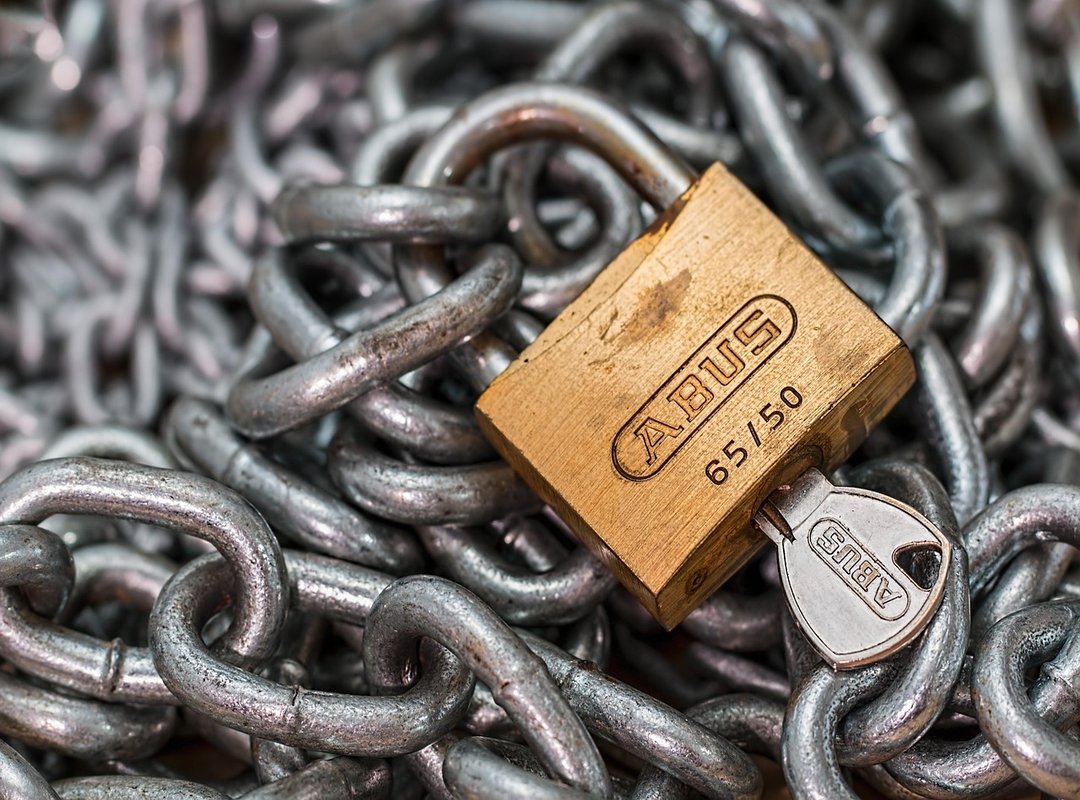
Setting all your social media and messaging accounts to private is a no-brainer. It’s the first line of defense against prying eyes.
Enable two-factor authentication (2FA) on all critical accounts. According to a study by Google, 2FA can block up to 100% of automated bot attacks and 99% of bulk phishing attacks. That’s a huge security boost with minimal effort.
Don’t share sensitive or intimate images and videos with anyone. Relationships and trust can change unexpectedly. The pinay telegram leaks are a stark reminder of how quickly things can go wrong.
Regularly audit app permissions on your phone. Check which apps have access to your photos, camera, and files. You might be surprised by what you find.
If you become a victim, don’t panic. Document everything with screenshots. Report the user and content to the platform.
Contact relevant authorities or support organizations for help.
Use secure cloud storage with strong, unique passwords instead of storing sensitive media directly on a device that could be lost or stolen. This way, even if your device goes missing, your data stays safe.
Promoting a Safer and More Respectful Online Community
pinay telegram leaks cause immense harm, carry severe legal penalties, and are a serious violation of privacy. The best defense is a proactive one. Strong digital hygiene and cautious sharing habits are essential.
Refuse to participate in, view, or share non-consensual content. Champion consent. Respect privacy.
Report harmful content. Together, we can create a safer internet for everyone.
 Senior Gaming Content Strategist & Lore Analyst
al_sonar serves as a Senior Gaming Content Strategist and Lore Analyst at Glarosoupa.com, specializing in interpreting gaming trends and transforming them into meaningful, engaging content. She has a deep focus on narrative-driven games, exploring complex lore systems and world-building elements that enrich player experience. Her role involves creating structured guides, analytical breakdowns, and insight-driven content that helps players improve both strategically and intellectually. She also contributes to esports-related analysis, ensuring the platform stays aligned with current competitive developments. Known for her ability to merge storytelling with tactical insight, al_sonar brings depth and clarity to the gaming content ecosystem. Her work helps bridge the gap between casual enjoyment and competitive mastery.
Senior Gaming Content Strategist & Lore Analyst
al_sonar serves as a Senior Gaming Content Strategist and Lore Analyst at Glarosoupa.com, specializing in interpreting gaming trends and transforming them into meaningful, engaging content. She has a deep focus on narrative-driven games, exploring complex lore systems and world-building elements that enrich player experience. Her role involves creating structured guides, analytical breakdowns, and insight-driven content that helps players improve both strategically and intellectually. She also contributes to esports-related analysis, ensuring the platform stays aligned with current competitive developments. Known for her ability to merge storytelling with tactical insight, al_sonar brings depth and clarity to the gaming content ecosystem. Her work helps bridge the gap between casual enjoyment and competitive mastery.