
Discovering a fever combined with unusual spots or blisters on your child’s hands can be alarming. I get it. You’re probably searching for terms like “fever with watery blisters on hands” to figure out what’s going on.
This article is here to provide a calm, step-by-step guide. We’ll help you identify the likely cause, know when a trip to the clinic is necessary, and how to keep your child comfortable at home. While the symptoms look scary, they are often caused by a very common and manageable childhood illness. demam gambar tangan masuk air di klinik.
Let’s demystify these symptoms and give you the actionable advice you need to make the best decisions for your child’s health.
What is Hand, Foot, and Mouth Disease (HFMD)?
Hand, Foot, and Mouth Disease (HFMD) is a common and contagious viral infection. It usually affects infants and children under 5.
The cause? Typically, it’s strains of the coxsackievirus. No need to get too technical, but it’s good to know.
Symptoms often start with a fever, sore throat, and reduced appetite.
One to two days after the fever, painful sores can develop in the mouth. A non-itchy skin rash with red spots—sometimes with blisters—appears on the palms of the hands and soles of the feet.
The rash can also appear on the knees, elbows, buttocks, or genital area. This is helpful for parents to know.
Despite its name, HFMD is not related to the foot-and-mouth disease found in animals. They are different conditions.
demam gambar tangan masuk air di klinik
It’s important to recognize these symptoms early. If you see them, it might be time to visit the doctor.
When You Absolutely Need to Visit the Clinic
Go to the doctor or clinic if your child…
- Shows signs of dehydration: no tears when crying, a very dry mouth, and significantly fewer wet diapers than usual (e.g., less than 4 in 24 hours).
- Has a high fever (over 102°F or 38.9°C) that persists for more than three days, or any fever in an infant younger than 6 months.
- Seems unusually lethargic, sleepy, or irritable and cannot be comforted.
- Complains of a stiff neck, a severe headache, or seems confused. These can be signs of rare but serious complications.
- Has symptoms that do not improve after 10 days or seem to be getting worse instead of better.
| Signs of Dehydration | Fever Specifics | Behavioral Changes | Severe Symptoms | Symptom Duration |
|---|---|---|---|---|
| No tears when crying | High fever over 102°F (38.9°C) for more than three days | Unusually lethargic, sleepy, or irritable | Stiff neck, severe headache, confusion | Symptoms persisting for more than 10 days |
| Very dry mouth | Any fever in an infant younger than 6 months | Cannot be comforted | Symptoms getting worse | |
| Fewer wet diapers (less than 4 in 24 hours) |
It’s crucial to recognize these signs early. For instance, dehydration can quickly become a serious issue, especially in young children. According to the American Academy of Pediatrics, even mild dehydration can lead to more severe health problems if left untreated.
If you notice any of these symptoms, don’t hesitate. Take your child to the clinic. It’s always better to be safe than sorry.
demam gambar tangan masuk air di klinik is a common phrase used in some regions, but it’s essential to understand the specific symptoms and seek medical attention promptly.
How to Manage Symptoms and Comfort Your Child at Home
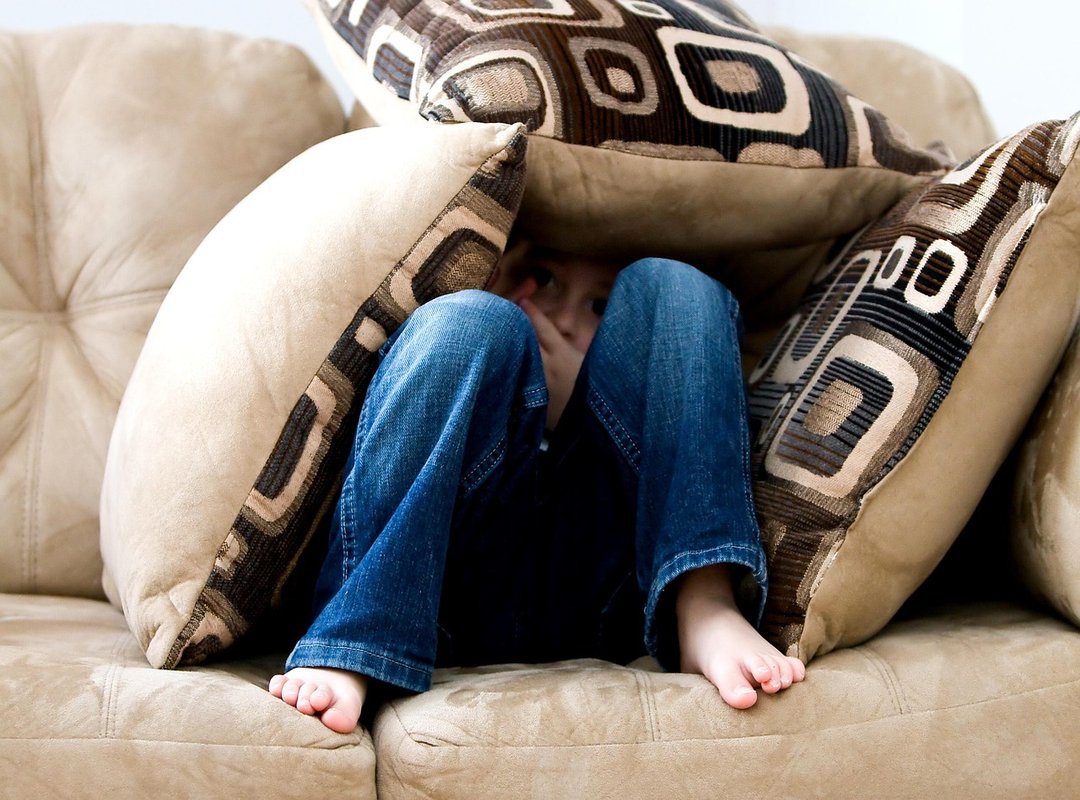
When your child is dealing with pain and fever, it’s tough to know what to do. I recommend over-the-counter medications like acetaminophen (Tylenol) or ibuprofen (Advil/Motrin). Always check with a doctor for the correct dosage.
And remember, never give aspirin to children. demam gambar tangan masuk air di klinik
For painful mouth sores, soft foods that don’t require much chewing can be a lifesaver. Think yogurt and applesauce. Cold items like popsicles, ice cream, or cold water can also soothe the mouth.
Avoid acidic or spicy foods and drinks. Citrus juice and soda can irritate mouth sores and cause more pain. It’s better to stick with bland, cool options.
Hydration is key. Encourage frequent sips of water, milk, or oral rehydration solutions to prevent dehydration. Dehydration is the most common complication, so it’s something to watch out for.
The blisters on the hands and feet should be kept clean and dry. Generally, they don’t need treatment and will resolve on their own. But if you’re unsure, it’s always a good idea to consult a healthcare provider.
Sometimes, the best thing you can do is provide comfort and reassurance. A demam gambar tangan masuk air di klinik might sound scary, but often, it’s just part of the healing process. If you’re ever in doubt, reach out to a medical professional.
They can offer guidance and help put your mind at ease.
Preventing the Spread to the Rest of the Family
HFMD is highly contagious. It spreads through saliva, fluid from blisters, stool, and respiratory droplets.
Frequent and thorough handwashing with soap and water is the single most effective way to stop the spread.
Parents should regularly disinfect frequently touched surfaces and toys.
Avoid close contact like hugging and kissing. Don’t share cups or utensils with the infected child.
Keep the child home from school or daycare until their fever is gone and their sores have healed. This protects other children.
According to the CDC, proper hand hygiene can reduce the risk of respiratory infections by 16-21%. That’s a significant drop.
demam gambar tangan masuk air di klinik is a common phrase in some regions, but it’s crucial to stick to the basics: clean hands, clean surfaces, and limited contact.
Key Takeaways for Managing Your Child’s Illness
HFMD starts with a fever and leads to sores and a rash, but is usually a mild illness. Focus on keeping your child hydrated and comfortable while the virus runs its course. It’s important to know the warning signs, such as dehydration or a persistent high fever, which may require a doctor’s visit. demam gambar tangan masuk air di klinik Trust your parental instincts.
If you are ever seriously concerned about your child’s condition, calling your pediatrician is always the right choice.
 Senior Gaming Content Strategist & Lore Analyst
al_sonar serves as a Senior Gaming Content Strategist and Lore Analyst at Glarosoupa.com, specializing in interpreting gaming trends and transforming them into meaningful, engaging content. She has a deep focus on narrative-driven games, exploring complex lore systems and world-building elements that enrich player experience. Her role involves creating structured guides, analytical breakdowns, and insight-driven content that helps players improve both strategically and intellectually. She also contributes to esports-related analysis, ensuring the platform stays aligned with current competitive developments. Known for her ability to merge storytelling with tactical insight, al_sonar brings depth and clarity to the gaming content ecosystem. Her work helps bridge the gap between casual enjoyment and competitive mastery.
Senior Gaming Content Strategist & Lore Analyst
al_sonar serves as a Senior Gaming Content Strategist and Lore Analyst at Glarosoupa.com, specializing in interpreting gaming trends and transforming them into meaningful, engaging content. She has a deep focus on narrative-driven games, exploring complex lore systems and world-building elements that enrich player experience. Her role involves creating structured guides, analytical breakdowns, and insight-driven content that helps players improve both strategically and intellectually. She also contributes to esports-related analysis, ensuring the platform stays aligned with current competitive developments. Known for her ability to merge storytelling with tactical insight, al_sonar brings depth and clarity to the gaming content ecosystem. Her work helps bridge the gap between casual enjoyment and competitive mastery.