Poker rules look hard until you actually learn them.
I thought the same thing my first time.
You’re here because you want to play (not) guess.
Not fold every hand because you’re scared of breaking a rule you don’t know.
This guide cuts through the noise. It’s not theory. It’s what you need to sit down and play right now.
How to Master the Poker Rules Dtrgsgamer isn’t about memorizing every edge case.
It’s about knowing what beats what, when to bet, when to fold, and why those choices matter.
Some people treat rules like paperwork. They don’t. They’re your starting point for thinking ahead.
For reading opponents. For winning more than luck allows.
You won’t walk away knowing every tournament variation.
But you will know enough to hold your own at a home game, a casino, or an online table.
No fluff. No jargon. Just clear steps.
You’ll understand hand rankings in under two minutes. Blinds? Betting rounds?
Position? All covered. Without making you scroll past filler.
By the end, you’ll feel ready. Not just to play. To play smart.
Poker Is Simple Until It Isn’t
I sat at a $1/$2 table in Vegas and lost $80 in 12 minutes.
Because I didn’t know what beat what.
The goal? Win the pot. You do that by having the best five-card hand (or) by making everyone else fold.
That’s it. No mystery.
I use a standard 52-card deck. Ace high. Two low.
Suits don’t matter unless all five match.
Hand rankings are non-negotiable. Memorize them or lose money. Fast.
A Royal Flush is 10-J-Q-K-A, same suit. (Yes, it’s rare. But I’ve seen it cracked twice.)
Straight Flush: five in a row, same suit (like) 4-5-6-7-8 of hearts.
Four of a Kind: four matching ranks. Think four 9s plus any kicker. Full House: three of one rank, two of another (like) three Kings and two 4s.
Flush: any five cards of the same suit, not in order. Straight: five in sequence, mixed suits. Like 7-8-9-10-J.
Three of a Kind, Two Pair, One Pair, High Card. They all win sometimes.
Especially when no one else has anything.
How to Master the Poker Rules Dtrgsgamer starts with this list. Not with bluffing or tells.
Start with the Dtrgsgamer guide if you’re still mixing up straights and flushes.
I still check the ranking chart before tournaments. No shame. Just smarter play.
Blinds, Cards, and Betting Rounds
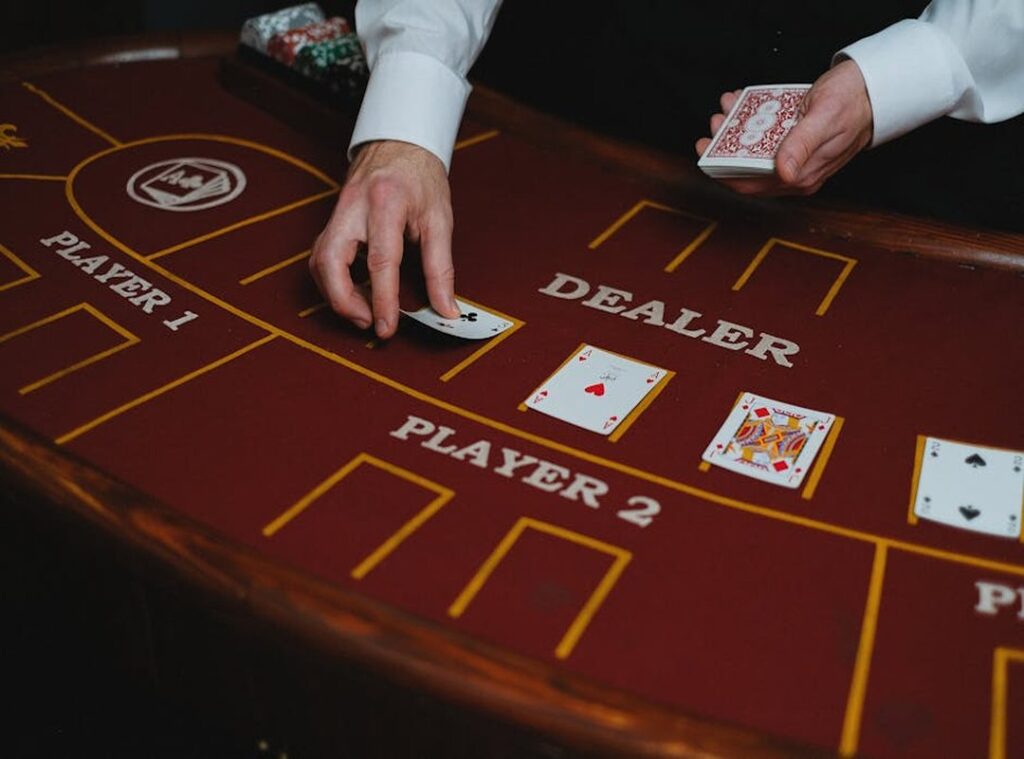
I sat at my first real poker table and folded every hand until the dealer button hit me.
That’s when I realized blinds aren’t optional. They’re rent you pay to play.
The small blind is half the big blind. Someone always posts them. The dealer button moves clockwise after each hand (that’s) how the blinds chase you.
Two cards go face down to each player. Those are your hole cards. You only see them.
(And yes, you’ll misread pocket kings as aces at least once.)
Pre-flop is your first real decision. Call the big blind. Raise it.
Or fold. No one checks here (someone) has to start the action.
Then the flop: three cards face up. Now you mix your two hole cards with those three. Suddenly your junk hand might beat everyone else’s.
The turn adds a fourth community card. The river drops the fifth. Each time, another round of betting.
You’ll misplay the turn because you forgot the river comes next. I did. It stings.
This is how you learn what “How to Master the Poker Rules Dtrgsgamer” actually means. By losing small pots and remembering why.
The math isn’t magic. It’s repetition. And folding when you should.
What You Do When It’s Your Turn

I check when no one’s bet yet. That means I pass the action to the next person. (You can’t check if someone already tossed chips in.)
I bet when I want to start the action. First chips into the pot. That’s it.
I call when someone bets and I want to stay in. I match their amount. No more.
No less.
I raise when I think my hand is strong (or) I want others to think it is. I add more chips on top of the current bet. Now everyone else has to call that or fold.
I fold when I’m done. I toss my cards face down. I walk away from the pot (even) the chips I already put in.
You’re not stuck doing the same thing every round. You pick based on your cards, who’s left, and what they’ve done. That’s where real play starts.
How to Master the Poker Rules Dtrgsgamer isn’t about memorizing definitions.
It’s about knowing which move fits right now.
How a raise scared off two players. How folding saved someone fifty bucks.
The Dtrgsgamer Gamers Advice From Digitalrgs page breaks down real hands. No fluff, just what worked and why. You’ll see how a check turned into a win.
You don’t learn poker by reading rules.
You learn it by doing them (and) then doing them again.
The Showdown: Who Shows First and Wins What
You’re still in after the final bet. Now it’s time to show.
The player who made the last aggressive move (bet) or raised. Shows first. (Yeah, even if they’re bluffing hard.)
Everyone else shows only if they think they can beat that hand. If you know you’re beat? You fold silently.
No need to reveal.
Your best five-card hand comes from any combo of your two hole cards and the five community cards. Not six. Not seven.
Five. Always five.
Tie? Same best hand? You split the pot.
No drama. Just chips divided.
Side pots happen when someone goes all-in for less than others bet. Those extra bets form a separate pot (only) players who matched them can win it.
I’ve watched people flip over weak hands just to “be polite.” Don’t do that. It gives away free info.
You want clear rules, not guesswork. That’s why I wrote Which headphones should i get dtrgsgamer. Same no-fluff logic applies here.
How to Master the Poker Rules Dtrgsgamer means knowing when to show, when to fold, and how the pot breaks. Nothing more. Nothing less.
Your First Real Hand
I know you just want to sit down and play without sweating every move. That’s why How to Master the Poker Rules Dtrgsgamer isn’t about memorizing everything at once. It’s about knowing what beats what.
When to fold, call, or raise. What happens after the flop.
You now know hand rankings. You know the betting rounds. You know what each action means at the table.
That’s enough to start.
No more guessing. No more watching others like it’s a foreign language.
Grab three friends tonight. Deal some chips. Play five hands.
Or log into a $0.01/$0.02 game and test it for real.
Don’t wait until you’re “ready.”
You are ready now.
Once the rules feel automatic, then (and) only then (you’ll) start asking better questions. Like when to bluff. When to slow-play.
How position changes everything.
But first? Just play.
Make a mistake. Laugh. Try again.
Poker isn’t about perfection. It’s about showing up.
So go deal your next hand.
Right now.
You’ve got this.
 Senior Gaming Content Strategist & Lore Analyst
al_sonar serves as a Senior Gaming Content Strategist and Lore Analyst at Glarosoupa.com, specializing in interpreting gaming trends and transforming them into meaningful, engaging content. She has a deep focus on narrative-driven games, exploring complex lore systems and world-building elements that enrich player experience. Her role involves creating structured guides, analytical breakdowns, and insight-driven content that helps players improve both strategically and intellectually. She also contributes to esports-related analysis, ensuring the platform stays aligned with current competitive developments. Known for her ability to merge storytelling with tactical insight, al_sonar brings depth and clarity to the gaming content ecosystem. Her work helps bridge the gap between casual enjoyment and competitive mastery.
Senior Gaming Content Strategist & Lore Analyst
al_sonar serves as a Senior Gaming Content Strategist and Lore Analyst at Glarosoupa.com, specializing in interpreting gaming trends and transforming them into meaningful, engaging content. She has a deep focus on narrative-driven games, exploring complex lore systems and world-building elements that enrich player experience. Her role involves creating structured guides, analytical breakdowns, and insight-driven content that helps players improve both strategically and intellectually. She also contributes to esports-related analysis, ensuring the platform stays aligned with current competitive developments. Known for her ability to merge storytelling with tactical insight, al_sonar brings depth and clarity to the gaming content ecosystem. Her work helps bridge the gap between casual enjoyment and competitive mastery.