
I bet you’ve seen the word Elmagplayers somewhere and paused. Maybe on a forum. Maybe in a spec sheet.
Maybe while scrolling past an old audio ad.
You’re not alone.
Most people have no idea what they are. Or why they even exist.
That’s frustrating.
Especially when these things actually matter for sound quality, durability, and how music feels.
I’ve spent years testing, repairing, and listening to gear that uses them.
Not just reading datasheets. Actually hearing the difference.
So let’s cut the mystery. No jargon. No fluff.
No pretending this is harder than it is.
You’ll learn what Elmagplayers are. How they work (in plain English). And why some audiophiles still reach for them.
Even now.
You’ll walk away knowing enough to talk about them without Googling mid-conversation.
You’ll know where they fit in real-world setups (not) just theory.
This isn’t speculation.
It’s built from hands-on use (not) marketing copy.
By the end, you won’t just recognize the term. You’ll understand it. And you’ll decide for yourself whether it matters to you.
What ELMAG Players Actually Are
I used to think ELMAG meant something fancy (like) a sci-fi gadget. It’s just Electro-Magnetic. That’s it.
I first heard the term fixing a broken reel-to-reel in my uncle’s basement.
He called it an ELMAG player while wiping dust off the tape head with his shirt.
That’s where Elmagplayers came from. Not marketing, but mechanics.
These players read sound stored as magnetic patterns on tape. No lasers. No chips.
Just magnets and wire.
ELMAG. Even some early answering machines? Yep.
Cassette players? ELMAG. Reel-to-reel decks?
Think of it like a record player. But instead of a needle tracing grooves, a tape head senses shifting magnetic fields. The tape moves past it.
The head turns those shifts into electricity. That electricity becomes sound.
Simple. Physical. Tangible.
I’ve watched tapes stretch, heads oxidize, and bias settings drift.
You learn fast that ELMAG isn’t magic (it’s) metal, magnetism, and motion.
You ever hold a cassette and wonder how those brown ribbons hold voices?
That’s ELMAG at work.
It doesn’t need Wi-Fi. It doesn’t need updates. It needs clean heads, steady speed, and tape that hasn’t turned to dust.
Some people call them obsolete.
I call them honest.
How We Got Here
Magnetic recording started with wire in the 1890s. Valdemar Poulsen built the first working recorder (no) tape, just steel wire.
Then came tape. In the 1930s, Germans figured out how to coat plastic with magnetic particles. That changed everything.
Cassette tapes were cheap, portable, and easy to copy. Suddenly everyone had a stereo in their Walkman or boombox. You remember that hiss before the music kicked in?
Yeah. That was real.
The golden age ran from the late 60s through the early 90s. Cassettes outsold vinyl for years. People recorded mixtapes.
They rewound with pencils. They taped over old recordings (and regretted it later).
Then MP3s arrived. Hard drives got bigger. Phones played music.
Cassette players vanished from stores.
But they never disappeared. Some people still buy blank tapes. Others restore old decks.
A few even record new music on them.
Why? Because analog has texture. It’s not perfect (and) that’s the point.
You ever hold a cassette and feel the weight of it? Compare that to tapping an app.
Elmagplayers aren’t “better” than digital. They’re different. Slower.
More deliberate.
Do you want convenience (or) something that makes you pause?
I still have three working cassette decks. One lives in my car. Another sits next to my turntable.
The third is in storage (and probably broken).
What’s your favorite format (and) why does it matter to you?
How Elmagplayers Turn Tape Into Sound
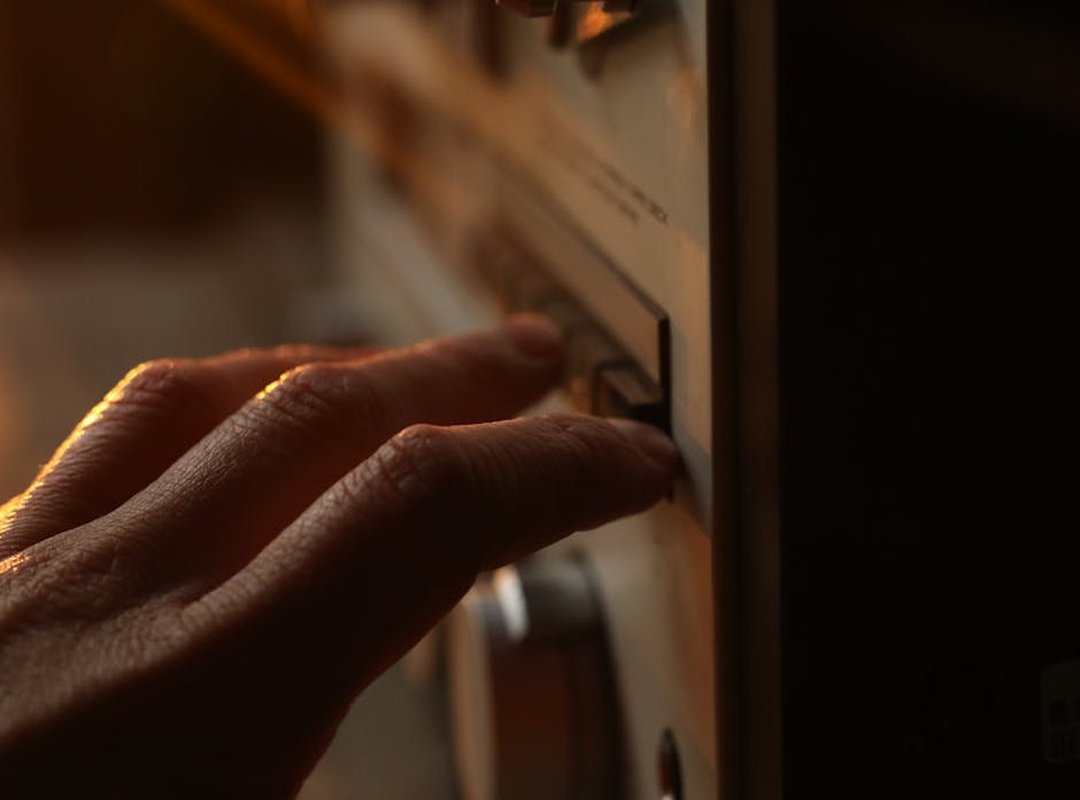
I’ve held one of these machines in my hands. It’s not magic. It’s magnets and motion.
Many gamers are curious about the potential benefits of using Elmagplayers, and you can discover more in this guide on How to Enhance My Gaming Experience Elmagplayers.
The tape holds sound as tiny magnetic patterns.
Not music notes. Just north-south flips on a plastic strip.
A motor pulls that tape past a playback head.
That head is just a sliver of metal with wire wrapped around it.
When the magnetized tape slides by, it nudges electrons in the wire. That nudge becomes an electrical signal. (Yes.
Same kind that powers your headphones.)
That signal is weak. So it goes to an amplifier. Then out to speakers or earbuds.
No lasers. No software. No cloud.
Just physics you can see if you open the case.
Magnetic fields? Think of them like invisible push-pull zones around a fridge magnet. The tape has thousands of those zones lined up in sequence.
People think tape is fragile. It’s not. It’s stubborn.
The head feels them. And turns the feeling into voltage.
It lasts longer than most hard drives I’ve owned.
Elmagplayers don’t guess what’s on the tape.
They read what’s actually there (no) compression, no algorithms, no reinterpretation.
You ever hear that slight hiss before the song starts? That’s the tape moving. That’s the machine breathing.
It’s analog. It’s real. And it still works.
Why ELMAG Players Still Click
I still reach for mine when everything else sounds flat.
That warm sound? It’s not magic. It’s tape saturation, slight wow and flutter, transformers breathing under load.
Digital doesn’t do that. It can’t.
You know that feeling when you press play and hear the tape hiss kick in? That’s not noise. That’s texture.
That’s presence.
Nostalgia sells. But it’s not just memory. It’s rebellion.
You’re choosing a physical object over a stream. You’re holding something with weight, not just scrolling.
Tapes need loading. Buttons click. The capstan spins visible.
You’re in the machine, not just listening to it.
Some studios use them on synths or drum machines. Not for accuracy. For character.
For grit you can’t dial in with software.
Elmagplayers aren’t “better.” They’re different. And different matters when everything else sounds the same.
Want proof? Try pairing one with modern gear. See how it changes your workflow. How to Boost My Gaming Experience Elmagplayers shows how.
Collectors pay real money. Not for hype. For rarity.
For how they feel in your hands.
A working ELMAG player from 1978 is harder to find than a clean MP3 of the same album.
You don’t buy one to be retro. You buy it because it does something no app can.
It hums. It clicks. It breathes.
And somehow (that) feels more alive.
Your Turn to Hear the Hum
I get it. You saw Elmagplayers and thought: what even are those? That confusion is real.
It’s why you clicked.
Now you know they’re not just old tape players.
They’re time machines with a warm, slightly wobbly soul.
You care because sound matters (and) not just clean digital sound. You want that crackle. That weight.
That feeling of holding history in your hands.
So stop reading. Start doing.
Why not dig out an old cassette player right now?
Or walk into a thrift store this week and hunt for one?
Don’t wait for “someday.”
Someday won’t play you that tape.
You wanted clarity on Elmagplayers.
You got it.
Now go press play.
 Senior Gaming Content Strategist & Lore Analyst
al_sonar serves as a Senior Gaming Content Strategist and Lore Analyst at Glarosoupa.com, specializing in interpreting gaming trends and transforming them into meaningful, engaging content. She has a deep focus on narrative-driven games, exploring complex lore systems and world-building elements that enrich player experience. Her role involves creating structured guides, analytical breakdowns, and insight-driven content that helps players improve both strategically and intellectually. She also contributes to esports-related analysis, ensuring the platform stays aligned with current competitive developments. Known for her ability to merge storytelling with tactical insight, al_sonar brings depth and clarity to the gaming content ecosystem. Her work helps bridge the gap between casual enjoyment and competitive mastery.
Senior Gaming Content Strategist & Lore Analyst
al_sonar serves as a Senior Gaming Content Strategist and Lore Analyst at Glarosoupa.com, specializing in interpreting gaming trends and transforming them into meaningful, engaging content. She has a deep focus on narrative-driven games, exploring complex lore systems and world-building elements that enrich player experience. Her role involves creating structured guides, analytical breakdowns, and insight-driven content that helps players improve both strategically and intellectually. She also contributes to esports-related analysis, ensuring the platform stays aligned with current competitive developments. Known for her ability to merge storytelling with tactical insight, al_sonar brings depth and clarity to the gaming content ecosystem. Her work helps bridge the gap between casual enjoyment and competitive mastery.