You think gaming is just escape.
Or worse. You’ve heard it’s rotting your brain.
I used to believe that too. Until I watched friends pull themselves out of bad weeks with a co-op session. Until I noticed how my own anxiety dropped after thirty minutes of something simple and rhythmic.
Like Tetris or Stardew Valley.
It’s not magic. It’s not even rare. Gaming can actually help your mental health.
That idea surprises people. Most articles either hype it up like a miracle drug. Or trash it like junk food.
Neither is true.
This article cuts through the noise.
It shows How Gaming Can Help Mental Health Elmagplayers, plain and direct.
We’ll look at real ways games lower stress. How they build real social ties. Even for people who hate small talk.
How they give structure, agency, and quiet wins when life feels chaotic.
No fluff. No studies you can’t apply before bedtime. Just what works (and) why it works.
For actual humans.
You’re here because you’re tired of choosing between “play” and “feel better.”
Good news: you don’t have to.
By the end, you’ll know exactly how to use games. Not as a distraction. But as part of your mental wellness routine.
Games That Let Your Brain Breathe
I play games when my head won’t shut up.
You do too.
They’re not magic. They’re just something else to hold onto for a while. Like stepping out of a loud room into quiet light.
Elmagplayers gets this. They build things that don’t demand perfection (just) presence.
Focusing on a puzzle, planting crops in Stardew Valley, or walking through the quiet woods in Red Dead Redemption 2. It pulls attention away from the loop in your head.
That loop where you replay yesterday’s email or worry about tomorrow’s bill.
Flow state? It’s just what happens when the game matches your skill and challenge. No overthinking.
Just doing. Your shoulders drop. Your breathing slows.
You forget to check your phone.
Small wins matter. Watering one plant. Solving one clue.
Landing one jump. They’re tiny, real victories. And your brain treats them like proof you can still do things.
Simulation games soften the edges. Story games pull you deep (not) as escape, but as rest. Not all games work for stress relief.
Some ramp it up. (Looking at you, Dark Souls.)
How Gaming Can Help Mental Health Elmagplayers isn’t about fixing everything.
It’s about giving your nervous system a five-minute pause.
You ever notice how time blurs when you’re fully in a game? That’s not distraction. That’s reset.
Games Are Not Solitary
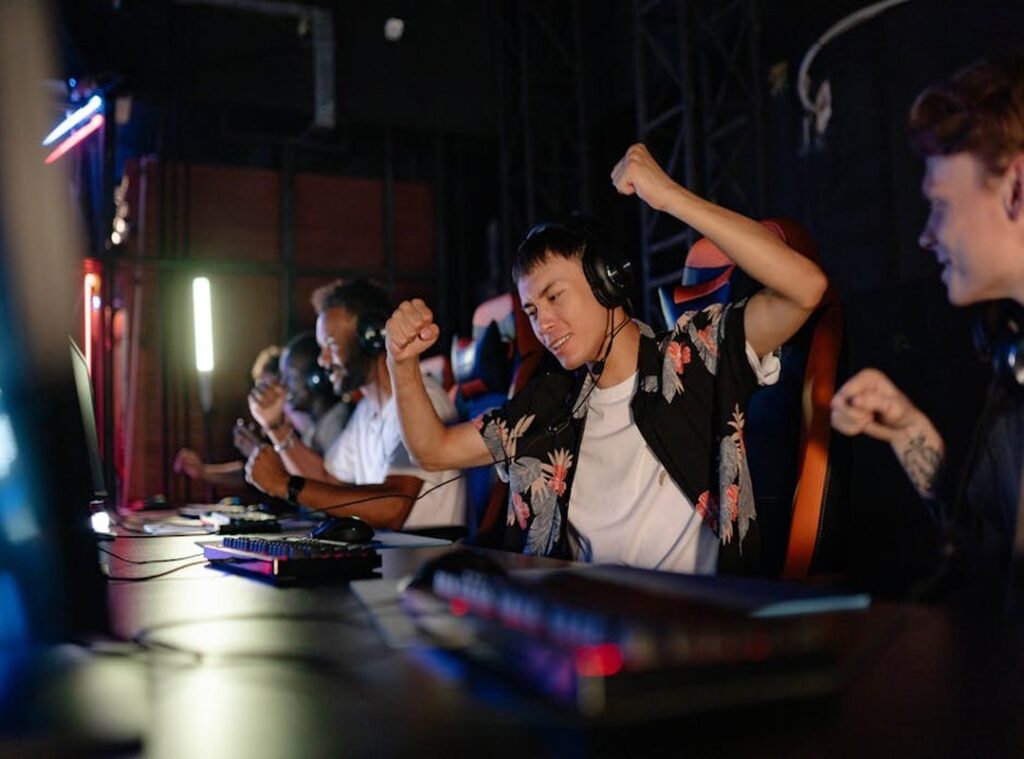
I used to think gaming meant sitting alone in the dark. Then I joined a raid group in Destiny 2. We talked every Tuesday for three years.
Some of us met in person later. Others never did. And it didn’t matter.
Online play is not isolation. It’s calling out enemy positions, laughing at failed jumps, sharing stupid memes in Discord. You’re not staring at a screen.
You’re coordinating with real people who care if you live or die in the game.
Guilds are just clubs with better names. Ours had a shared Google Doc for lore theories and a channel for bad days. One guy texted me at 2 a.m. after his breakup.
We ran patrol missions until sunrise.
Teamwork forces you to listen, adapt, trust. No script. No rehearsal.
Just voice chat and split-second decisions.
I know what you’re thinking: But what about the shy kids? The ones who panic in line at Starbucks?
Yeah. They’re leading clans.
Calling shots. Making friends without eye contact.
That’s how gaming can help mental health Elmagplayers. It gives you a place to show up as yourself. No small talk required.
No performance. Just presence. And sometimes, that’s enough to keep going.
Games Train Your Brain
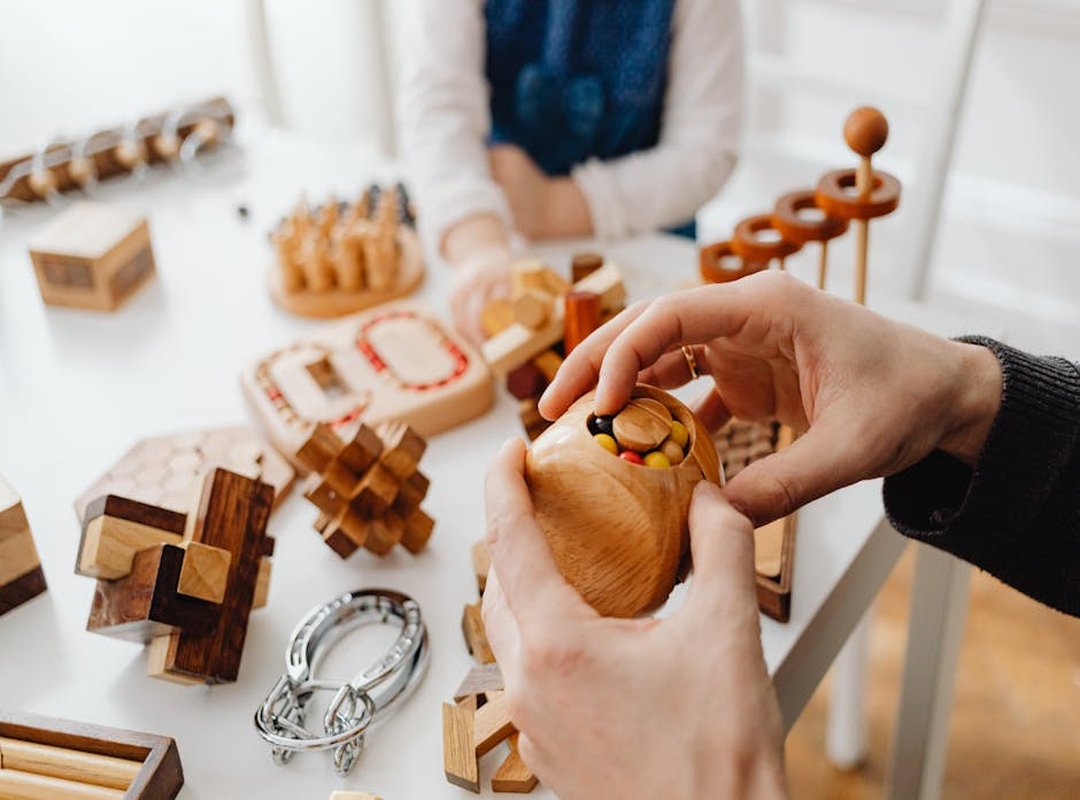
I play games to unwind.
I also play them because they make my brain work harder.
Many games force me to think ahead. To decide fast. To solve problems I’ve never seen before.
That builds focus. It sharpens memory. It speeds up reaction time.
Puzzle games like Portal or The Witness demand logic and pattern recognition. Plan games like Civilization or StarCraft train planning and resource management. RPGs like Elden Ring or Baldur’s Gate 3 layer in choices, consequences, and adaptation.
I’m not sure how much of this directly transfers to real life. But I do know I stay calmer under pressure now. And I quit less easily when things get hard.
Overcoming a tough boss or a brutal puzzle feels real. It teaches patience. It builds that quiet “I can figure this out” voice.
How Gaming Can Help Mental Health Elmagplayers is something I’ve seen in myself. Not just read about.
For more practical ideas, check the Elmagplayers gaming tips from electronmagazine.
Games won’t fix everything.
But they’re one tool I use. Honestly, messily, and without guarantees.
Games Teach You to Breathe
I lose. A lot. In games.
And it stings every time.
But I keep playing. Not because I’m stubborn. Because the game forces me to reset, re-aim, and try again.
Fast.
That’s how emotional regulation starts. Not in a therapist’s office (though that helps too). It starts when your character dies for the tenth time and you don’t slam the controller.
You pause. You breathe. You ask: What did I miss?
Frustration is real. So is the urge to quit. Games give you low-stakes pressure to practice staying calm when things go sideways.
You adapt. A boss changes tactics. Your team disconnects.
The map shifts. You pivot (no) lecture, no checklist (just) instinct and repetition.
That flexibility doesn’t stay in the game. It shows up when your train’s delayed. When your laptop crashes before a deadline.
When life throws curveballs.
Resilience isn’t built by avoiding loss. It’s built by facing it (over) and over (in) a space where failure has zero real-world cost.
This isn’t theory. I’ve watched kids walk away from rage-quitting and come back 90 seconds later, quieter, sharper.
How Gaming Can Help Mental Health Elmagplayers isn’t about magic. It’s about repetition. Practice.
Real consequences. With zero risk.
Want to see how this fits into bigger patterns? learn more
Your Controller Is a Coping Tool
I used to think gaming was just escape. Then I noticed how quiet my head got after thirty minutes of Stardew Valley. No more racing thoughts.
No more tight shoulders. Just me, a pixelated farm, and breathing space.
You felt that too, right?
That moment when the world stops buzzing long enough for you to remember your own name?
How Gaming Can Help Mental Health Elmagplayers isn’t some theory. It’s what happens when you laugh with friends in Overcooked. It’s how your brain sharpens solving puzzles in Portal.
It’s the quiet pride of mastering something hard. Even if it’s just beating a boss.
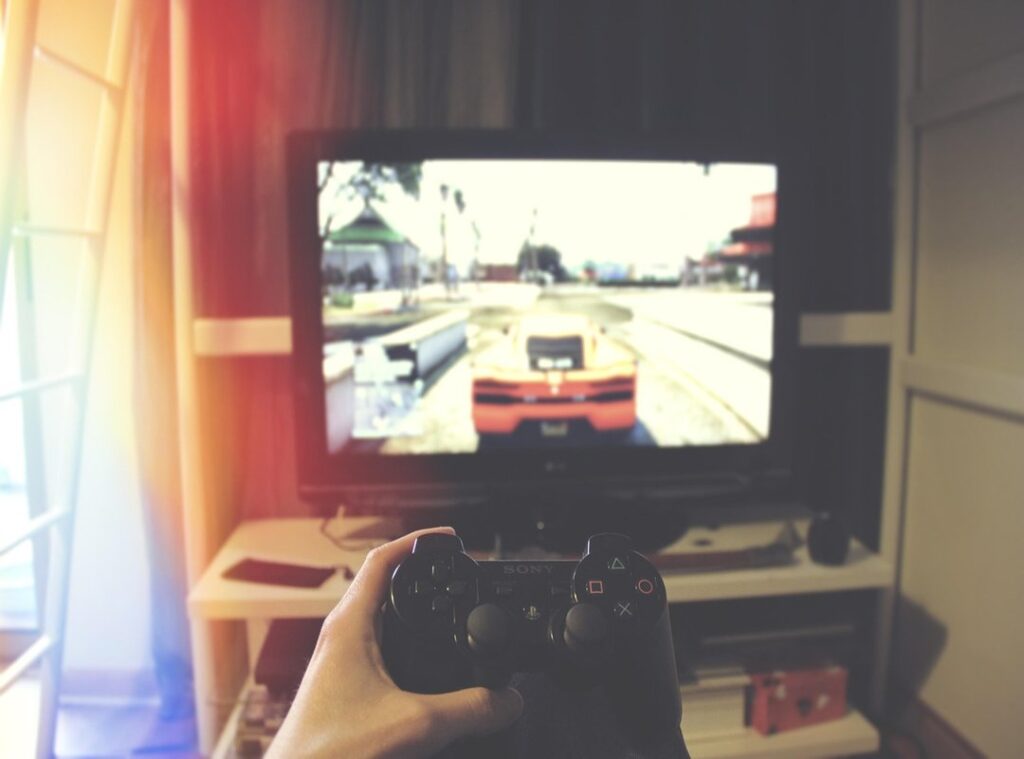
But here’s the catch: not all games serve you the same way. A frantic shooter at 2 a.m. won’t calm your nervous system. A slow, story-driven game might.
You already know which ones leave you energized versus drained.
So stop feeling guilty about picking up the controller. Start asking: *What do I need right now. Connection?
Focus? Rest?*
Then choose the game that answers that.
And yes (pair) it with sleep, movement, real-world talk.
Gaming works best when it’s part of your life, not all of it.
You came here because you’re tired of hearing gaming is bad for your mind. You wanted proof it could help. Now you have it.
So next time you pick up a controller, remember you’re not just playing a game. You’re potentially boosting your mental health too. Go play something that feels like relief.
Not later. Today.
 Senior Gaming Content Strategist & Lore Analyst
al_sonar serves as a Senior Gaming Content Strategist and Lore Analyst at Glarosoupa.com, specializing in interpreting gaming trends and transforming them into meaningful, engaging content. She has a deep focus on narrative-driven games, exploring complex lore systems and world-building elements that enrich player experience. Her role involves creating structured guides, analytical breakdowns, and insight-driven content that helps players improve both strategically and intellectually. She also contributes to esports-related analysis, ensuring the platform stays aligned with current competitive developments. Known for her ability to merge storytelling with tactical insight, al_sonar brings depth and clarity to the gaming content ecosystem. Her work helps bridge the gap between casual enjoyment and competitive mastery.
Senior Gaming Content Strategist & Lore Analyst
al_sonar serves as a Senior Gaming Content Strategist and Lore Analyst at Glarosoupa.com, specializing in interpreting gaming trends and transforming them into meaningful, engaging content. She has a deep focus on narrative-driven games, exploring complex lore systems and world-building elements that enrich player experience. Her role involves creating structured guides, analytical breakdowns, and insight-driven content that helps players improve both strategically and intellectually. She also contributes to esports-related analysis, ensuring the platform stays aligned with current competitive developments. Known for her ability to merge storytelling with tactical insight, al_sonar brings depth and clarity to the gaming content ecosystem. Her work helps bridge the gap between casual enjoyment and competitive mastery.