I used to rage-quit more than I won.
You too?
This isn’t another hype-filled list of “10 secrets pros won’t tell you.”
It’s real. It’s tested. It’s what actually works when you’re tired of losing the same fight over and over.
I’ve spent years playing, watching, and talking to people who improved (not) because they had more time, but because they did fewer things, better. Like breathing before a clutch moment. Or rewinding one death instead of skipping past it.
Some guides pretend skill is magic. It’s not. It’s habit.
It’s attention. It’s knowing where to look first.
You don’t need new gear. You don’t need to grind 100 hours. You need to stop guessing and start seeing what’s really happening in the game.
That’s why I built the Elmagplayers Gaming Guide by Electronmagazine. Not as theory, but as field notes from actual play.
No fluff. No jargon. Just steps that move the needle.
By the end, you’ll know exactly what to practice tomorrow. And why it’ll stick.
Fundamentals Are Not Optional
I learned this the hard way. You cannot fake your way through movement, aiming, or resource management. Not even for five minutes.
Look at MOBAs: last-hitting isn’t cute. It’s how you eat. In FPS?
Recoil control isn’t fancy (it’s) why you hit anything. Fighting games? Miss combo timing once and you’re eating a super move.
That’s why I go straight to training modes. No bots. No pressure.
Just me, the crosshair, and the same drill (over) and over. Custom games work too. If you set them up right.
Pros don’t skip this. They relearn it weekly. Watch any top player warm up (they’re) not doing flashy stuff.
They’re clicking the same spot on the wall for ten minutes.
You think you’re ready for advanced tactics? Try this: play one match where you only focus on movement. No kills.
No objectives. Just moving clean. If you can’t do that, nothing else matters.
The Elmagplayers guide nails this (it’s) why their Elmagplayers Gaming Guide by Electronmagazine stays open on my second monitor. They don’t sugarcoat it. Basics aren’t boring.
They’re the only thing keeping you from looking stupid in front of your friends.
You’re not bad at the game.
You’re just skipping the part that actually works.
Plan Beats Reflexes Every Time
I used to think faster aim won games.
Then I lost fifty matches in a row watching pros play the same map like it was chess.
Map awareness is knowing where enemies should be. Not just where they are. You check the minimap every three seconds.
Not four. Not five. Three.
(Try it.)
Objective control means you ignore the kill and take the point instead. Even when your team screams at you. Even when you want that headshot.
Game flow is the rhythm no one teaches you. When to push after a team wipe. When to stall for cooldowns.
When to fake a flank and vanish.
In League, buying defensive items against burst damage isn’t cautious. It’s correct. In Valorant, rotating early to B site before spike plant isn’t guessing.
It’s reading the enemy’s economy round.
You pick characters based on what your team lacks. Not what feels cool. That support hero?
You need them. Not your favorite DPS.
Watch pro players. Not to copy their crosshair placement (but) to see when they move, why they pause, how they reset after failure. They’re not faster.
They’re earlier.
The Elmagplayers Gaming Guide by Electronmagazine nails this: plan isn’t theory. It’s habit. Built match by match.
You still miss shots. Good. Now you win anyway.
Gear Up Without Going Broke
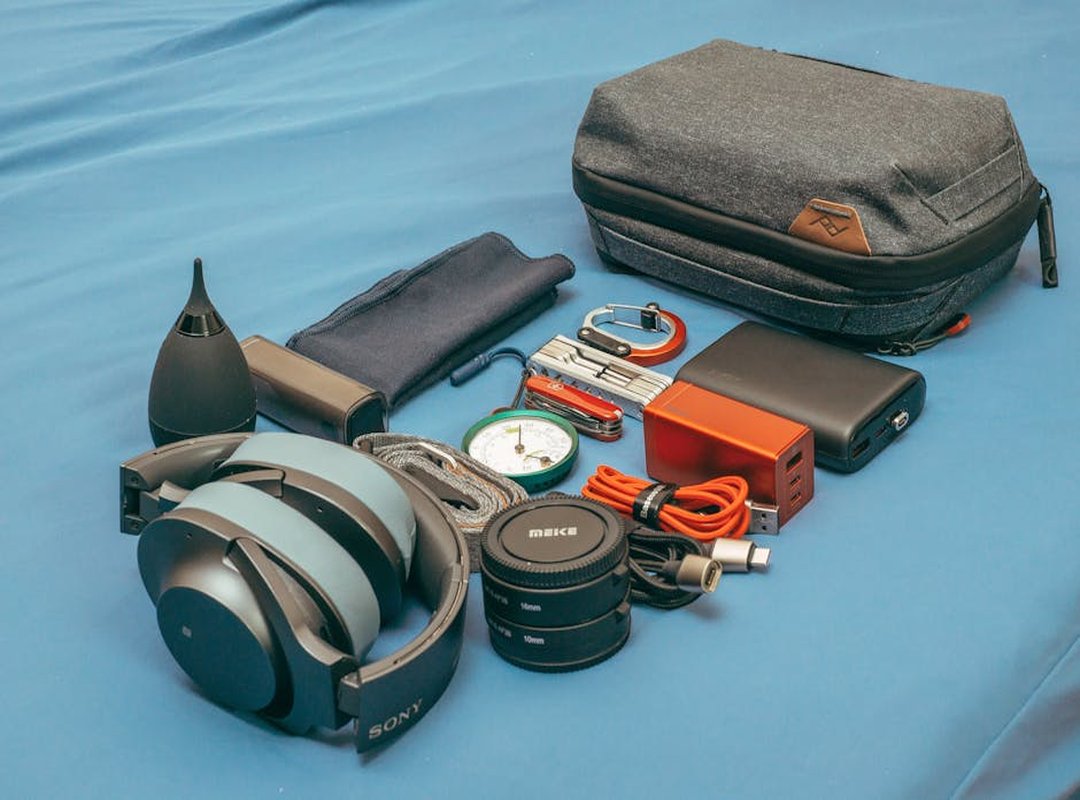
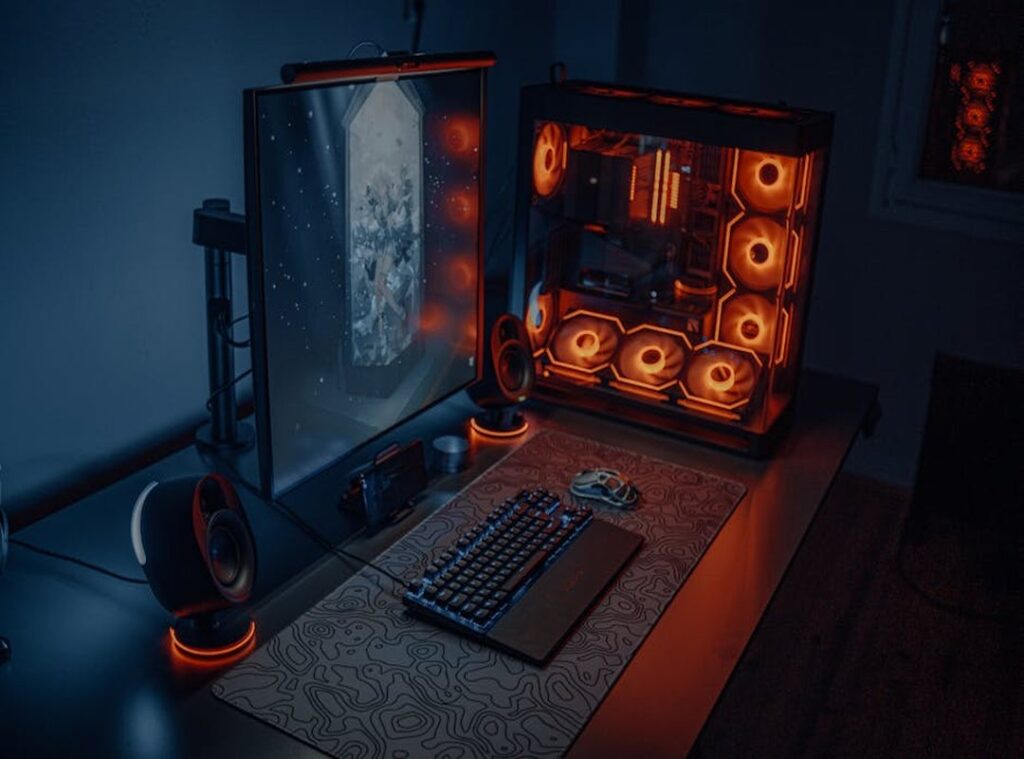
Your setup affects your game. Not just how it looks (but) how fast you react.
I swapped my $20 mouse for a used Logitech G502. My aim got tighter overnight. You don’t need the newest model.
You need one that fits your hand and doesn’t slip when you sweat.
Keyboard or controller? Whichever feels like an extension of your fingers. Then dial in sensitivity.
Too high and you overshoot. Too low and you’re dragging your arm across the desk. Try 400. 800 DPI.
Adjust mid-match if it feels off.
A decent headset helps you hear footsteps before you see them. And yes. It matters even in casual play.
You’ll catch callouts, avoid ambushes, and stop yelling at teammates who can’t hear you.
Refresh rate? 144Hz helps competitive players. But 60Hz works fine if you’re just having fun. Same with internet: stable beats fast.
If your ping jumps, fix that before buying new gear.
Want to stay safe while playing online? Check out the How to Play Safely Online Elmagplayers guide in the Elmagplayers Gaming Guide by Electronmagazine.
Skip the hype. Start with comfort. Build from there.
Practice Doesn’t Mean Playing More
I used to think grinding ranked for eight hours would make me better.
It didn’t.
Just playing a lot isn’t practice. It’s repetition without direction. Deliberate practice means picking one thing (like) last-hitting under tower (and) doing it with focus, not autopilot.
You can’t fix everything at once. So pick one skill. One mechanic.
One habit. Then drill it until it sticks.
Watch your own VODs. Not the whole match (just) the last 30 seconds before you died. Ask yourself: *What did I misread?
What could I have done instead?* (Spoiler: it’s rarely “I got unlucky.”)
Losing sucks. But losses are data points. Not verdicts.
If you’re not making mistakes, you’re not pushing your limits.
Take breaks. Real ones. Five minutes.
Step away from the screen. Your brain needs space to absorb what you just did. Pushing through fatigue just teaches you how to play tired.
Small goals keep you honest. “Win five games” is vague. “Land 70% of my Qs in lane” is measurable. And doable.
This is the core of the Elmagplayers Gaming Guide by Electronmagazine: stop chasing wins and start chasing clarity.
You’ll improve faster than you think. If you stop confusing time spent with real progress.
For more straightforward tips that actually work, check out Elmagplayers Gaming Tips From Electronmagazine.
Time to Stop Losing
I’ve been there. Stuck on the same boss for weeks. Frustrated.
Blaming the game. Blaming lag. Blaming everything but the real issue.
My own habits.
You’re not broken. Your reflexes aren’t slow. You just haven’t locked in the right moves yet.
That’s why Elmagplayers Gaming Guide by Electronmagazine exists. Not as theory. Not as hype.
As a direct line to what actually works.
You already know that feeling (the) one where you almost win, then tilt, then quit. That’s not bad luck. That’s a signal.
Your setup’s off. Your practice is scattered. You’re skipping fundamentals and hoping for magic.
This guide doesn’t ask you to change everything at once. Just one thing. Right now.
Pick one tip from it. Not three. Not five.
One. Apply it in your next session. Track what happens.
Did your reaction time tighten? Did your aim feel steadier? Did you last longer before tilting?
You’ll notice it. Because real progress isn’t loud. It’s quiet.
It’s repeatable. It’s yours.
So stop reading. Stop waiting for motivation. Open the guide again.
Scroll to the section that matches your biggest pain point right now. Do that one thing.
Then come back. Try another.
Gaming greatness isn’t earned in a day. It’s built session by session. Habit by habit.
Win by win.
Your next win starts with this:
Open the Elmagplayers Gaming Guide by Electronmagazine and pick one thing to fix today.
 Senior Gaming Content Strategist & Lore Analyst
al_sonar serves as a Senior Gaming Content Strategist and Lore Analyst at Glarosoupa.com, specializing in interpreting gaming trends and transforming them into meaningful, engaging content. She has a deep focus on narrative-driven games, exploring complex lore systems and world-building elements that enrich player experience. Her role involves creating structured guides, analytical breakdowns, and insight-driven content that helps players improve both strategically and intellectually. She also contributes to esports-related analysis, ensuring the platform stays aligned with current competitive developments. Known for her ability to merge storytelling with tactical insight, al_sonar brings depth and clarity to the gaming content ecosystem. Her work helps bridge the gap between casual enjoyment and competitive mastery.
Senior Gaming Content Strategist & Lore Analyst
al_sonar serves as a Senior Gaming Content Strategist and Lore Analyst at Glarosoupa.com, specializing in interpreting gaming trends and transforming them into meaningful, engaging content. She has a deep focus on narrative-driven games, exploring complex lore systems and world-building elements that enrich player experience. Her role involves creating structured guides, analytical breakdowns, and insight-driven content that helps players improve both strategically and intellectually. She also contributes to esports-related analysis, ensuring the platform stays aligned with current competitive developments. Known for her ability to merge storytelling with tactical insight, al_sonar brings depth and clarity to the gaming content ecosystem. Her work helps bridge the gap between casual enjoyment and competitive mastery.