I’ve scrolled past thousands of anime avatars that all look the same.
You’re probably tired of seeing the same preset faces with slight color swaps. Your avatar should say something about you, not blend into the background.
Here’s the thing: most people settle for generic because they think creating something unique requires serious art skills. It doesn’t.
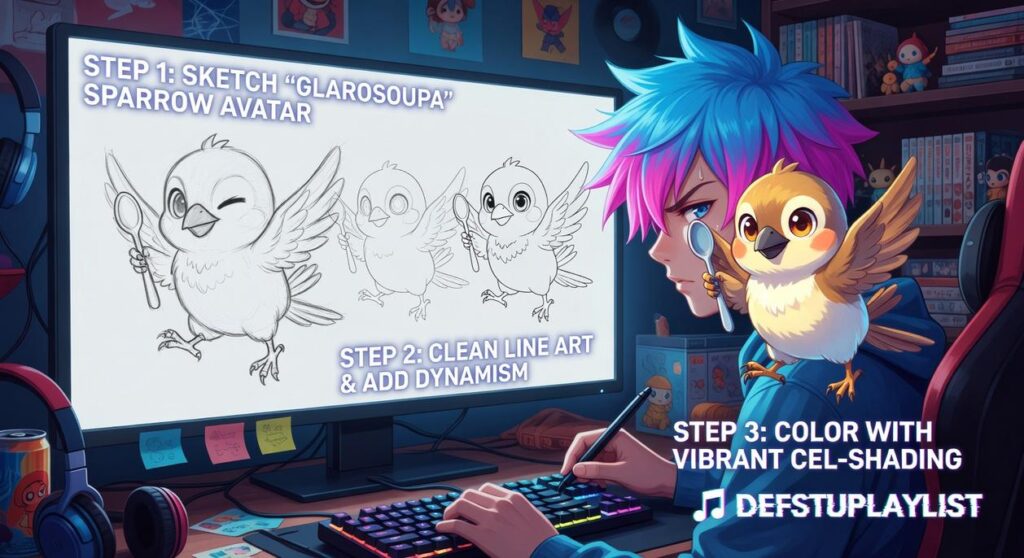
I’m going to walk you through exactly how Glarosoupa makes anime avatars that actually stand out. Four steps. No artistic background needed.
This guide covers everything from your initial concept to the final file you’ll upload. I’ve broken down the process that professional creators use into something you can follow today.
We’ve tested these methods across different skill levels. They work whether you’re using free tools or premium software.
By the end of this, you’ll know how to build an avatar that looks like you (or the version of you that you want the world to see). Not just another face in the crowd.
No fluff. Just the exact steps you need to create something that’s actually yours.
Step 1: The Foundation – Defining Your Avatar’s Core Concept
Most people open a character creator and start clicking random features.
Then they wonder why their avatar looks like everyone else’s.
Here’s my take. The tool doesn’t make your avatar interesting. Your concept does.
I’ve seen thousands of anime avatars online. The ones that actually stand out? They started with an idea, not a slider.
The Importance of a Strong Concept
You need to know who your avatar is before you build them.
I’m not talking about a full backstory (though that helps). I mean the vibe. The feeling someone gets when they see your character for the first time.
A strong concept is what separates a memorable avatar from a generic preset. It’s the difference between “cool character” and “wait, who made that?”
Brainstorming Your Persona
Ask yourself these questions before you touch any creation tool.
What personality am I going for? Cheerful and bright? Mysterious and quiet? Maybe intellectual with glasses and a book. Or rebellious with ripped clothing and an attitude.
What do I actually care about? Your hobbies and interests can show up visually. Love music? Give them headphones or an instrument. Into gaming? Add controller motifs or tech accessories.
(This is where how glarosoupa to make anime avatar defstuplayist really matters. You’re building something that reflects you, not just copying what looks cool.)
Choosing a Theme and Aesthetic
Pick your lane.
Cyberpunk means neon colors, tech wear, and urban grit. High fantasy brings flowing robes, magical elements, and nature tones. Slice-of-life keeps it casual with school uniforms or everyday clothes. Shonen action needs bold colors and combat-ready outfits.
Your theme controls everything. Color palettes. Clothing choices. Even the mood of the final design.
I prefer starting narrow. Pick one aesthetic and commit to it. You can always create more avatars later.
Creating a Mood Board
This step saves you hours of frustration.
Open Pinterest or any image collection tool. Start gathering references. Hairstyles you like. Eye shapes that match your vibe. Color schemes that feel right. Clothing styles that fit your theme.
Don’t just save one or two images. Collect at least fifteen to twenty.
This becomes your blueprint. When you’re stuck on a design choice, you look at your mood board and the answer is usually right there.
Pro tip: Save references of full characters and individual features separately. It makes finding specific details way easier when you’re actually building.
Step 2: Choosing Your Creation Method – Tools for Every Skill Level
So you know what your avatar should represent.
Now comes the fun part. Actually making it.
But here’s where most people freeze up. They see all these different tools and wonder which one they should use. Or if they even have the skills to pull this off.
Let me ask you something. Do you want this done fast or do you want complete control?
Because that’s really what it comes down to. There’s no single best way to make an anime avatar. Just the best way for you right now.
I’m going to walk you through three paths. Each one works. Each one has tradeoffs.
Method A: AI Avatar Generators
This is the fastest route.
You type what you want and the AI generates it. No drawing skills needed. You can have an avatar in under five minutes.
The catch? You get less control over the details. Sometimes the results look a little generic. And if you’re picky about exact features, you might get frustrated.
But here’s the thing. If you use what you figured out in Step 1, your prompts get way better. Instead of “cool anime girl,” you write “short purple hair, determined expression, wearing a tech jacket, cyberpunk style.”
See the difference?
Method B: Character Creator Apps
Want more customization without learning to draw?
Tools like Picrew and VRoid Studio let you mix and match pre-made parts. Hair, eyes, clothes, accessories. You build your character piece by piece.
I like this middle ground. You get way more control than AI generators but you’re not starting from a blank canvas.
The downside? You’re limited to whatever assets the creator included. And yeah, sometimes you’ll see someone else using the same base (happens more than you’d think).
Method C: Drawing Your Own
This is how glarosoupa to make anime avatar defstuplayist if you want something completely unique.
Software like Procreate or Clip Studio Paint gives you total freedom. Every line is yours. Every color choice. Every tiny detail.
The pros are obvious. 100% original. Exactly what you imagined.
The cons? You need actual drawing skills. And time. We’re talking hours, not minutes.
Is it worth it? Depends on what you’re using this avatar for and how much you care about standing out.
Pick the method that matches where you are right now. You can always level up later.
Step 3: The Art of Detail – Infusing Personality into Your Design
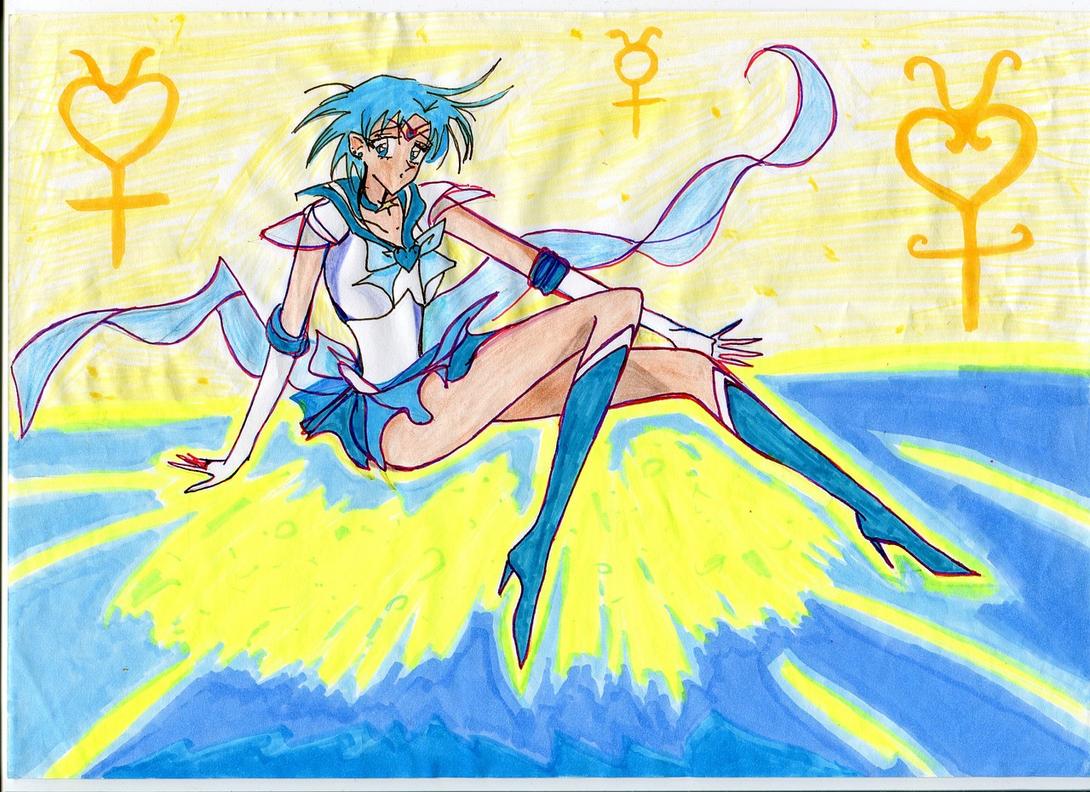
You’ve got your concept. You’ve picked your tool.
Now comes the part where most people stop thinking and just start clicking random options.
But here’s what separates a forgettable avatar from one that actually feels like you. The details matter. Not all of them, but the right ones do.
When you how glarosoupa to make anime avatar defstuplayist, you’re not just assembling parts. You’re building something people will recognize instantly.
Let me show you what actually makes a difference.
Eyes and Expressions: The Soul of the Character
Start with the eyes.
A character with sharp, narrow eyes gives off a completely different vibe than one with large, round eyes. It’s the first thing people notice (even if they don’t realize it).
Pupil style matters too. Small pupils can make a character look intense or suspicious. Larger ones feel more innocent or curious.
And color? Don’t just pick your favorite shade. Think about what it says. Red eyes read as mysterious or dangerous. Blue feels calm or cold. Green can go either way depending on the other features.
The expression seals it. A subtle smirk changes everything. So does a raised eyebrow or slightly narrowed gaze.
You don’t need a huge grin or dramatic scowl. Small shifts in the mouth or eyes do more work than you’d think.
Hairstyle and Color: A Powerful Signifier
Hair is where people get lazy.
They pick a basic style and call it done. But this is one of the easiest ways to make your avatar stand out.
Try asymmetrical cuts. Or styles that partially cover one eye. Anything that breaks the standard symmetry catches attention.
Color combinations matter even more. A gradient from dark purple to light pink tells a different story than solid black. Highlights in unexpected places (like the underside of the hair) add depth without being loud about it.
Your hairstyle should match the persona you built in Step 1. A rebellious character probably isn’t rocking a neat side part. A studious type might not have wild spikes going everywhere.
Make it consistent.
Clothing and Accessories: Telling a Story
Every item you add should have a reason.
A worn leather jacket says something different than a pristine school uniform. Ripped jeans versus clean slacks. A hoodie versus a button-up shirt.
Think about what your character does. What they care about. Where they spend their time.
Accessories are where you can really push the personality. Headphones suggest they’re into music or prefer their own space. Glasses can read as intellectual or just stylish depending on the frame. Jewelry adds edge or elegance based on what you choose.
Some tools let you add small companion animals or objects. A tiny dragon perched on the shoulder. A floating book. A skateboard in hand.
These aren’t just decoration. They’re shortcuts to personality.
Don’t overload it though. Pick two or three key pieces that reinforce who this character is. More than that and it starts looking cluttered.
The goal is simple. When someone sees your avatar, they should get an immediate sense of who you are without needing an explanation.
That’s when you know you’ve is glarosoupa broccoli good for you hsfschwailp nailed the details.
Step 4: Final Touches – Preparing Your Avatar for Display
You’ve got your avatar looking good. Now you need to make sure it actually works everywhere you plan to use it.
File format matters more than most people think.
JPG gives you smaller files but no transparency. That means you’ll get a white or colored box around your avatar on some platforms. PNG keeps everything crisp and supports transparent backgrounds. I always go with PNG. It works on Discord, Twitter, Instagram, wherever.
Start big. Create your avatar at 2048×2048 pixels. I know that sounds excessive but you can always scale down. You can’t scale up without losing quality.
Different platforms want different things. Discord crops to a circle. Instagram uses squares. Reddit does circles too. Save a few versions so you’re not scrambling when you need to upload somewhere new.
Here’s something I learned the hard way. Keep your main elements centered and away from the edges. When platforms crop to circles, you don’t want half your design cut off.
Once you’ve got your final version saved, use it everywhere. Same avatar across all your profiles builds recognition. People start to know you by that image before they even read your username (kind of how glarosoupa vr casinos work defstupgamible with consistent branding across their platform).
Save your working files too. You might want to tweak colors or add details later.
Your New Digital Identity Awaits
You’ve got the framework now.
Concept. Tool. Details. Export. Four steps that take you from idea to finished avatar.
No more settling for generic profile pictures that look like everyone else’s. You don’t have to blend into the background anymore.
When you invest time in the concept and nail the details, something shifts. Your avatar stops being just a picture. It becomes an extension of who you are online.
Here’s how Glarosoupa makes anime avatar creation work: Start with your core concept right now. Think about what makes you different. What vibe do you want to project?
Then move through each step deliberately. Don’t rush it.
Your unique anime avatar is waiting on the other side of this process. The only thing standing between you and a profile picture that actually represents you is getting started.
Go back to Step 1 and begin.
 Founder & Chief Creative Director
ryan_b7 is the founder of Glarosoupa.com and the creative mind behind its overall vision and direction. He established the platform as a dedicated hub for gaming culture, esports insight, strategy development, and immersive lore exploration. With a strong passion for game mechanics and player psychology, he focuses on shaping content that not only informs but also elevates how players understand and experience games. ryan_b7 oversees the brand’s identity, long-term growth, and creative execution, ensuring everything aligns with a unified gaming-driven purpose. His leadership blends innovation with structure, turning Glarosoupa into a space where competitive and casual gamers can both grow. He continues to push the platform toward becoming a recognizable name in the gaming and esports knowledge space.
Founder & Chief Creative Director
ryan_b7 is the founder of Glarosoupa.com and the creative mind behind its overall vision and direction. He established the platform as a dedicated hub for gaming culture, esports insight, strategy development, and immersive lore exploration. With a strong passion for game mechanics and player psychology, he focuses on shaping content that not only informs but also elevates how players understand and experience games. ryan_b7 oversees the brand’s identity, long-term growth, and creative execution, ensuring everything aligns with a unified gaming-driven purpose. His leadership blends innovation with structure, turning Glarosoupa into a space where competitive and casual gamers can both grow. He continues to push the platform toward becoming a recognizable name in the gaming and esports knowledge space.