
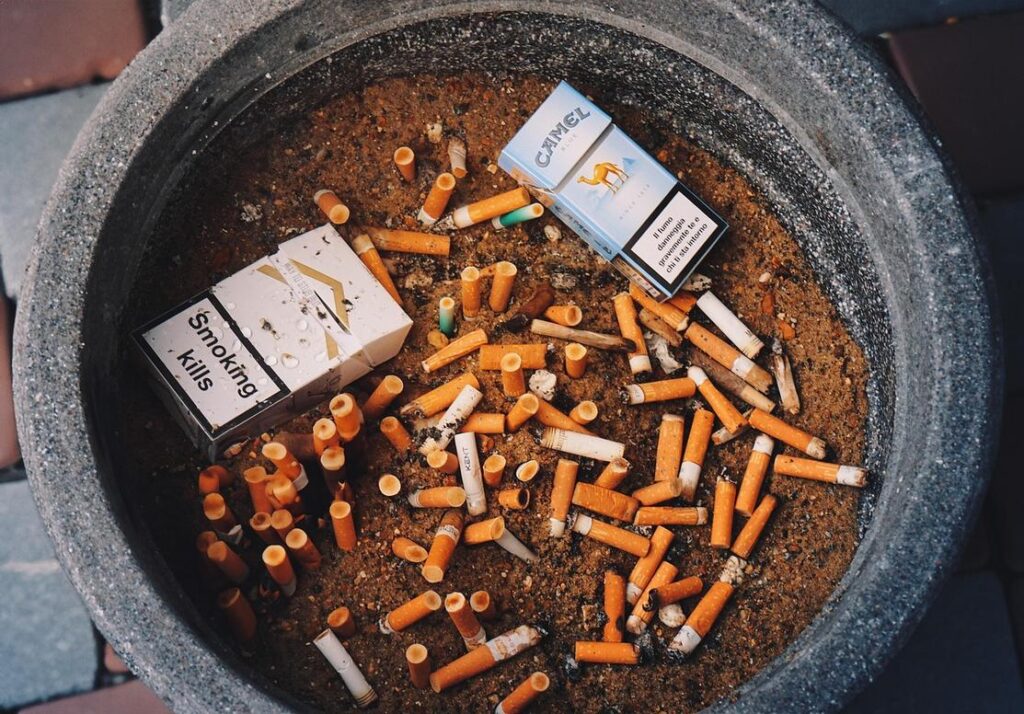
I’ve seen too many people accept that breathing gets harder as they age.
You’re probably here because you’ve noticed your lungs don’t work like they used to. Maybe you get winded easier or you’re dealing with environmental triggers that make everything worse.
Here’s what most people miss: your respiratory health responds to what you do every day. Small changes add up fast.
I spent years studying how lifestyle choices affect lung function. Not the obvious stuff everyone talks about. The daily habits that actually move the needle on respiratory health.
This article breaks down the specific actions that protect and improve your lungs. I’ll show you why each one works and how to fit it into your life without overhauling everything.
The recommendations here come from established pulmonary health research. We’re talking about practices that have been tested and measured, not trends that sound good but don’t deliver.
You’ll learn which healthy habits make the biggest difference for your breathing, how your environment is affecting you right now, and what you can start doing today to build stronger lungs.
No complicated protocols. Just clear steps that work.
Habit 1: Enhance Lung Capacity with Consistent Physical Activity
Your lungs get stronger when you make them work.
I’m not talking about some complicated breathing technique or expensive equipment. Just moving your body in ways that get your heart rate up.
Here’s what happens. When you exercise, your diaphragm and intercostal muscles (the ones between your ribs) have to push harder. They’re doing reps just like your biceps do when you lift weights.
Over time, this builds capacity.
How Your Lungs Actually Adapt
Think about it this way. Your body hates waste. When you run or swim regularly, your respiratory system figures out it needs to get better at moving oxygen around.
So it does.
Your total lung volume increases. The alveoli (tiny air sacs in your lungs) become more efficient at gas exchange. Your blood gets better at carrying oxygen to your muscles.
Some people say you’re born with a certain lung capacity and that’s just how it is. They’ll tell you exercise doesn’t really change your lungs, just your cardiovascular system.
But research from the European Respiratory Journal shows that’s not the whole story. Regular aerobic exercise does improve lung function, particularly in how efficiently your lungs process oxygen.
What you get from this is pretty straightforward. Better endurance. Less huffing and puffing when you climb stairs. More energy throughout the day because your cells are getting the oxygen they need.
I recommend 30 minutes of moderate activity most days. You don’t need to kill yourself at the gym.
Brisk walking works. So does swimming (which is particularly good because it forces you to control your breathing patterns). Cycling gets the job done too.
Pick what you’ll actually do. Consistency beats intensity here.
The Part Most People Miss
Cardio isn’t the only thing that matters for your lungs.
Strength training helps too, especially for your core and upper body. When you build those muscles, you improve your posture. Better posture means your lungs have more room to expand fully.
(I see this all the time with people who sit hunched over a desk. Their breathing is shallow because their chest cavity is compressed.)
What glarosoupa are healthy habits hsfrespirate really comes down to is this: your body adapts to what you ask of it. Ask more from your lungs and they’ll rise to meet that demand.
You can read more about building these patterns at mple istoria glarosoupa.
The payoff? You’ll notice the difference when you’re carrying groceries upstairs or playing with your kids. Those everyday moments where you used to get winded become easier.
That’s lung capacity working for you.
Habit 2: Fuel Your Lungs with a Nutrient-Rich, Anti-Inflammatory Diet
Your lungs need more than just clean air.
They need the right fuel.
I know some people say diet doesn’t really matter for respiratory health. They’ll tell you that what you eat has nothing to do with how well you breathe. That it’s all about genetics and environmental exposure.
But here’s what the research actually shows.
Inflammation and oxidative stress are two of the biggest threats to your lung tissue. And what you put on your plate directly affects both.
Think about it this way. Every time you eat, you’re either feeding inflammation or fighting it. There’s no neutral ground.
What Your Lungs Actually Need
I want you to focus on specific nutrients that protect respiratory tissue.
Vitamin C is your first line of defense. You’ll find it in citrus fruits and bell peppers. It works by neutralizing free radicals before they can damage delicate lung cells.
Vitamin E does something similar. Grab a handful of nuts or seeds. These protect the outer membranes of your lung tissue from oxidative damage.
Then there are flavonoids. Apples and berries are loaded with them. They calm down inflammatory responses in your airways (which is exactly what you want).
The Water Factor
Here’s something most people miss.
Staying hydrated keeps the mucosal linings in your airways thin. When those linings are thin, your lungs can actually clear out mucus and trap pollutants before they cause problems.
Drink water throughout the day. Not just when you’re thirsty.
Simple Swaps You Can Make Today
You don’t need to overhaul your entire diet.
Start small. Swap processed snacks for a handful of walnuts. Add steamed broccoli to dinner tonight. These glarosoupa are healthy habits hsfrespirate that build up over time.
I recommend keeping vitamin glarosoupa cream hsfmelepiw on hand as part of your respiratory support routine.
The goal isn’t perfection. It’s progress.
Your lungs will thank you.
Habit 3: Create a Clean Air Environment, Indoors and Out
I used to think air quality was something I only needed to worry about if I lived in a big city.
Then I moved into an apartment that had a mold problem behind the bathroom wall. Within two weeks, I was coughing every morning. My chest felt tight. I couldn’t figure out what was wrong until a friend pointed at the black spots creeping up from the baseboard.
Your lungs filter everything you breathe. Every chemical. Every particle. Every bit of dust floating around your living room.
And most of us don’t think twice about what we’re exposing them to.
Some people say worrying about indoor air is overblown. They’ll tell you humans have lived in all kinds of conditions for thousands of years and we turned out fine. Fair point. Our ancestors weren’t exactly running HEPA filters in their caves.
But here’s what that argument misses.
We spend about 90% of our time indoors now (according to the EPA). We’re not outside breathing fresh air most of the day. We’re sealed up in homes and offices with recycled air, cleaning chemicals, and synthetic fragrances that our grandparents never dealt with.
Start paying attention to what you’re breathing at home. Those plug-in air fresheners? They’re pumping artificial fragrance into your lungs all day. That bleach-heavy cleaner you love? It’s irritating your airways every time you scrub the counter.
I switched to natural cleaning products about a year ago. Vinegar and baking soda sound boring (because they are), but my morning cough disappeared within a month.
Get a HEPA filter if you can afford one. Open your windows when the weather’s decent. Check for mold in damp areas like bathrooms and basements.
Outside air matters too. I check the air quality index before I go running now. On high-pollution days, I’ll hit the gym instead of the park. It’s not paranoia. It’s just being smart about what glarosoupa are healthy habits hsfrespirate.
If your job exposes you to dust or fumes, wear a proper mask. Not one of those flimsy paper things. A real respirator that actually filters particles.
Your lungs don’t get a break. They’re working every second of every day. The least you can do is give them clean air to work with.
Habit 4: Master Proactive Breathing and Posture Techniques
You’re probably breathing wrong right now.
I don’t mean that to sound harsh. Most of us are. We breathe on autopilot and never think about it twice.
But here’s what I’ve noticed. When you start paying attention to how you breathe, things change. Your lungs get stronger. You feel less winded doing basic stuff.
Diaphragmatic breathing (or belly breathing) is where this starts.
Here’s how you do it. Sit or lie down somewhere comfortable. Put one hand on your chest and one on your belly. Breathe in slowly through your nose and let your belly rise while your chest stays relatively still. Then breathe out through your mouth.
That’s it.
Do this for a few minutes each day and your diaphragm gets stronger. The work of breathing becomes easier. You get better oxygen exchange with each breath (which is kind of the whole point).
Now let’s talk about posture.
When you slouch, you’re basically squishing your chest cavity. Your diaphragm can’t move the way it should. Every breath becomes less effective.
I think we’re going to see more research connecting posture to respiratory health in the next few years. The connection seems obvious once you think about it, but most people never make that link.
Sit tall. Stand tall. Give your lungs the space they need to expand and contract fully.
These glarosoupa are healthy habits hsfrespirate that compound over time. You won’t notice a difference after one day. But after a few weeks? You might be surprised how much better you feel.
Your Path to Better Breathing Starts Today
You picked up this guide because breathing shouldn’t be hard work.
Maybe you’ve noticed yourself getting winded on stairs. Or you’re tired of seasonal allergies making every breath feel heavy.
I’m going to show you that better respiratory health isn’t complicated. It just takes the right habits.
Your lungs respond to how you treat them. Feed them clean air and they work better. Move your body and they get stronger. It’s that simple.
Here’s what you need to know: glarosoupa are healthy habits hsfrespirate that actually make a difference.
Don’t let your environment or daily choices run your lung health into the ground. You have more control than you think.
Regular exercise strengthens your breathing muscles. A lung-protective diet gives your body what it needs to fight inflammation. Clean air reduces the load on your system. Proper breathing techniques teach your lungs to work the way they’re supposed to.
These aren’t magic fixes. They’re just consistent actions that add up.
Pick one habit from this guide and commit to it this week. Just one.
Start with morning walks if you’ve been sedentary. Swap out processed foods for leafy greens. Open your windows instead of running the AC all day. Practice deep breathing for five minutes.
Small changes compound. That’s how you build a lifetime of easier breathing.
Your lungs are waiting for you to make the first move.
 Founder & Chief Creative Director
ryan_b7 is the founder of Glarosoupa.com and the creative mind behind its overall vision and direction. He established the platform as a dedicated hub for gaming culture, esports insight, strategy development, and immersive lore exploration. With a strong passion for game mechanics and player psychology, he focuses on shaping content that not only informs but also elevates how players understand and experience games. ryan_b7 oversees the brand’s identity, long-term growth, and creative execution, ensuring everything aligns with a unified gaming-driven purpose. His leadership blends innovation with structure, turning Glarosoupa into a space where competitive and casual gamers can both grow. He continues to push the platform toward becoming a recognizable name in the gaming and esports knowledge space.
Founder & Chief Creative Director
ryan_b7 is the founder of Glarosoupa.com and the creative mind behind its overall vision and direction. He established the platform as a dedicated hub for gaming culture, esports insight, strategy development, and immersive lore exploration. With a strong passion for game mechanics and player psychology, he focuses on shaping content that not only informs but also elevates how players understand and experience games. ryan_b7 oversees the brand’s identity, long-term growth, and creative execution, ensuring everything aligns with a unified gaming-driven purpose. His leadership blends innovation with structure, turning Glarosoupa into a space where competitive and casual gamers can both grow. He continues to push the platform toward becoming a recognizable name in the gaming and esports knowledge space.