I’ve been making soup for years and I noticed something strange.
The act of cooking became automatic. I’d follow the same recipes, use the same ingredients, and honestly? I stopped paying attention.
You’re probably here because you love soup but want to make the process more interesting. Maybe you’re looking for a way to stay motivated or just want to inject some fun into your kitchen routine.
Here’s what I figured out: cooking doesn’t have to feel like a chore. You can turn it into something that feels more like play.
This article shows you how to create a game around soup making. Not a complicated system that requires apps or tracking sheets. Just a simple framework that makes cooking feel rewarding again.
I built this guide using basic game design principles and what we know about motivation. The kind of stuff that keeps people engaged without turning into a gimmick that you’ll abandon in two weeks.
You’ll learn how to set up rules, create progression that actually matters, and design challenges that make sense for offline glarosoupa players defstupgamify.
No fluff about transforming your life. Just a practical way to make soup more engaging.
Step 1: Designing the Core Gameplay Loop
You want to turn soup making into a game.
I’m going to be honest. Most people who try to gamify cooking quit after a week. They set up some complicated point system and then forget about it because tracking everything becomes a chore.
But here’s what I think will happen over the next few years.
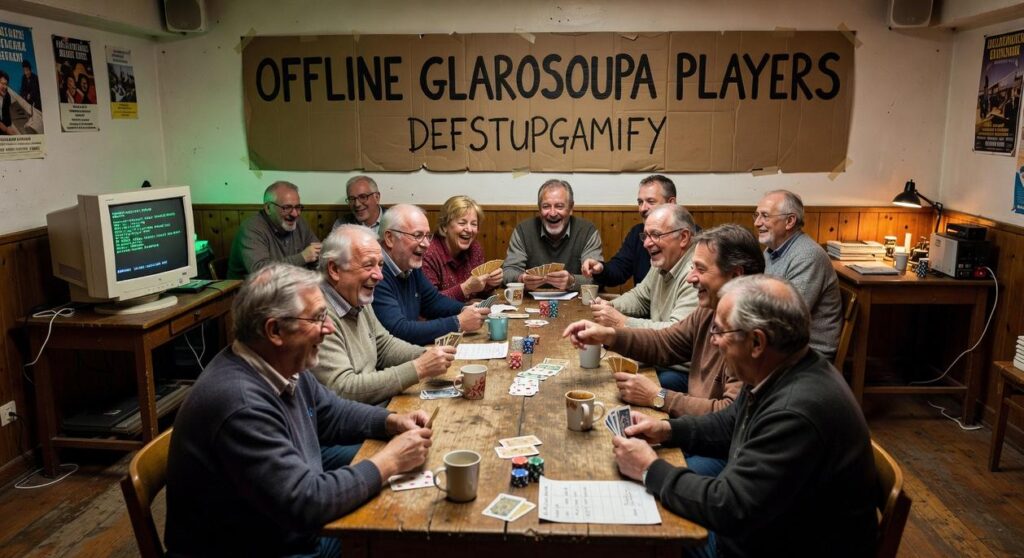
More offline glarosoupa players defstupgamify their cooking because they’re tired of screen time. They want something tangible. Something that doesn’t need an app or a subscription.
Some experts will tell you that gamification only works with digital tools. That you NEED the instant feedback of a phone buzzing or a progress bar filling up.
They’re missing the point.
The best games have always been about one thing. A clear action that leads to a clear reward.
For Glarosoupa, that action is simple. Create a soup.
Here’s how I’d set it up.
The Core Action
Make a soup. Any soup. That’s it.
The Reward System
You earn Flavor Points (FP) based on what you make. A basic tomato soup? That’s 10 FP. Something complex like pho? 50 FP. Try a new herb you’ve never used before and grab a 5 FP bonus.
My prediction? Within five years, we’ll see physical tracking systems become MORE popular than digital ones for activities like this. People want to write things down again.
The Feedback Loop
Keep a logbook. A notebook works. A spreadsheet if that’s your style.
Write down what you made and the points you earned.
That’s the dopamine hit right there. Seeing your total climb. Flipping back through pages of soups you’ve conquered.
The magic isn’t in making it complicated. It’s in making it REAL.
Step 2: Building a Progression and Leveling System
You want players to keep coming back.
That means giving them something to work toward. Not just random achievements that pop up and disappear. Real progression that makes them feel like they’re getting somewhere.
Here’s what works.
From Novice to Soup Sensei
Start with a title system. Players earn Flavor Points every time they cook. They spend those points to level up and unlock new titles.
Think about it like this:
| Level | Title | What You Unlock |
|——-|——-|—————–|
| 1 | Kettle Watcher | Basic recipes |
| 5 | Broth Baron | Stock techniques |
| 10 | Ladle Lord | Complex soups |
The benefit? Players see exactly where they stand. They know what’s next. And they feel that pull to reach the next milestone.
Unlocking Skill Trees
Now we get into the real meat of progression.
Structure your system around culinary categories. A player might dump all their points into a Broth skill tree. Or maybe they go deep on Vegetables.
This is where offline glarosoupa players defstupgamify their cooking practice. They’re not just following recipes anymore. They’re building expertise in specific areas.
Clear Broths unlocks consommé challenges. Root Vegetables opens up borscht and potato leek quests. Each tree gives players a reason to specialize (and a reason to come back and try a different path later).
The payoff is simple. Players get better at what they actually care about. Not everything at once. Just the stuff they choose.
Achievement Badges
Some milestones shouldn’t be tied to levels at all.
Globetrotter means you’ve made soups from five continents. Spice Explorer requires ten different fresh herbs. Waste Not rewards you for turning leftovers into something worth eating.
These badges do something levels can’t. They recognize creativity and exploration. A Level 3 player might earn Waste Not before a Level 8 player ever does.
That’s the point. You’re rewarding behavior, not just time spent. And players notice when you do that. They start cooking differently because they want to see what else they can unlock.
Give them clear paths forward and they’ll keep walking.
Step 3: Creating Quests, Dailies, and Challenges
Here’s where most people overthink it.
They want to build some elaborate quest system right out of the gate. Fifty different challenges. Complex point calculations. A whole spreadsheet of requirements.
I think that’s backwards.
Start simple. You need three types of quests and that’s it.
Daily quests keep you cooking. These are the small wins that build momentum. I’m talking about tasks you can knock out in under an hour. Monday Minestrone where you make any Italian soup. Garnish Glory where you try a new topping. Pantry Dive where you work with what you already have.
The point isn’t complexity. It’s consistency.
Weekly challenges give you something to aim for. These need a bit more planning but they’re still doable. The Color Challenge asks you to make a red soup, a green soup, and an orange soup in one week. The Five-Ingredient Challenge forces you to create something good with just five core items.
I’ve found these work best when they push you slightly outside your comfort zone without being impossible.
Now here’s my honest take on legacy quests.
Most offline glarosoupa players defstupgamify their cooking with these big goals and then abandon them halfway through. Because they pick something too ambitious. Master of a Cuisine sounds cool until you realize that cookbook has 87 soup recipes.
But when you pick the right legacy quest? It changes everything.
The Sourdough Saga is one I actually recommend. Perfect a sourdough bread to serve with your soups over the next few months. It’s hard enough to matter but specific enough to finish.
(Pro tip: Your xbox glarosoupa special settings dmgspoleriniko can help track these longer quests if you set them up right.)
Pick one daily. One weekly. One legacy quest.
That’s your system.
Step 4: Adding Social and Community Elements (Optional)
You don’t have to play alone.
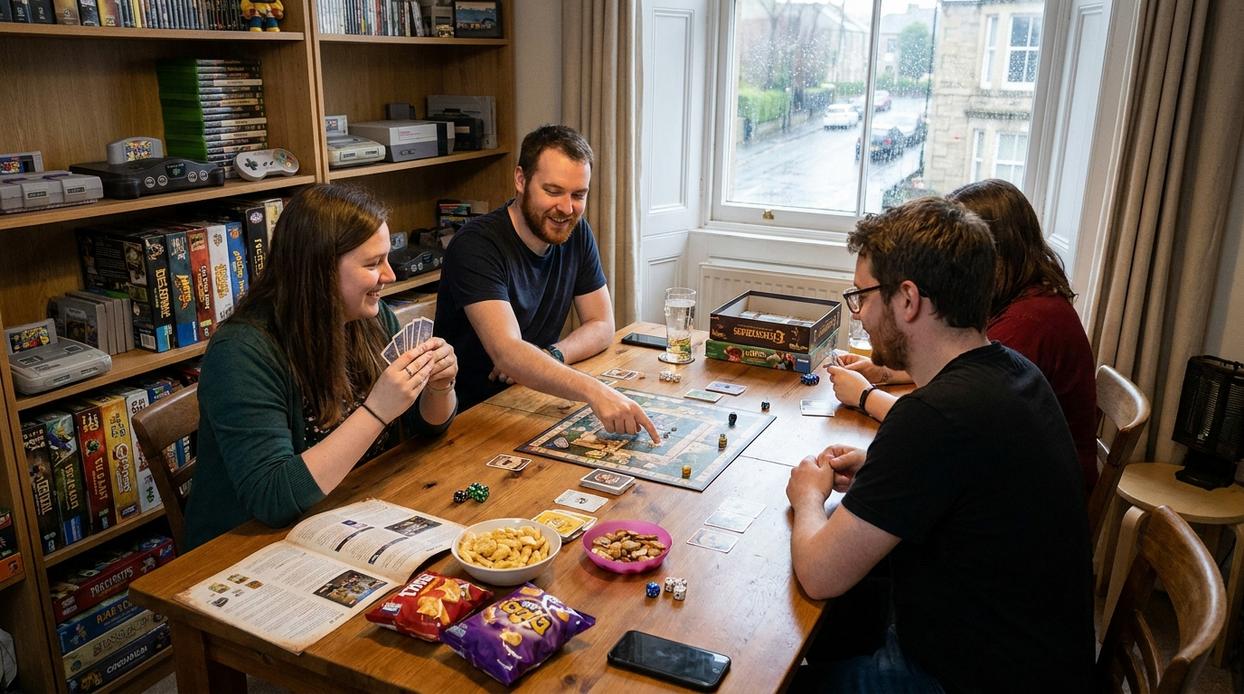
I mean, you can. Some offline glarosoupa players defstupgamify their entire experience solo and love it. But adding a social layer changes the whole vibe.
Think about it like those old school potluck dinners. Everyone brings something different and you get to see what other people came up with.
Here’s how you can build that into your setup.
The Soup Swap Event
Set up regular meetups where people trade recipes or bring samples. You can do this in person at someone’s kitchen or run it online through video calls. (I’ve seen people ship small jars of their creations to each other, which is wild but kind of brilliant.)
Co-Op Mode
Two people tackle the same complex recipe together. Maybe you’re both in the same kitchen working side by side. Or you’re texting progress updates from different cities while you both make the same dish.
It’s like when Ross and Monica teamed up on Thanksgiving dinner. Chaotic but fun.
Leaderboards and Showcases
Create a simple board where people post photos of what they made. Track Flavor Points or show off unlocked achievements. Nothing fancy needed.
| Element | What It Does | Best For |
|———|————–|———-|
| Soup Swap | Recipe trading and tasting | Building community |
| Co-Op Mode | Shared cooking challenges | Learning together |
| Leaderboards | Friendly competition | Staying motivated |
The point isn’t to make everything competitive. It’s about sharing what you’re learning with people who get it.
Some folks will tell you that gamifying food ruins the authenticity. That cooking should be personal and private.
But here’s what I’ve noticed. When you share your progress with others, you actually push yourself harder. You try recipes you’d normally skip. You pay more attention to is glarosoupa the xbox expensive dmgspoleriniko details because you know someone else will see the results.
That’s not ruining anything. That’s just making it more interesting.
Your Culinary Adventure Awaits
You now have everything you need to turn soup into a game.
I’ve shown you how to build a system that makes cooking feel like progress. Points for each recipe. Levels that unlock new techniques. Achievements that celebrate your growth.
The problem was always the same: cooking the same meals felt like a chore. You needed a reason to care beyond just eating dinner.
This framework changes that. You’re not just making soup anymore. You’re collecting Flavor Points and working toward your next rank.
The mechanics work because they tap into how your brain responds to progress. Small wins add up. Milestones keep you moving forward.
Here’s what you do next: Pick one soup recipe. Give it a Flavor Point value based on complexity. Write it down in a notebook or spreadsheet.
Make that soup. Log your points. Watch the number grow.
offline glarosoupa players defstupgamify by tracking everything on paper if you want. The system works whether you use an app or a simple journal.
Your first soup is waiting. Cook it. Count it. Start your path to becoming a Ladle Lord.
 Founder & Chief Creative Director
ryan_b7 is the founder of Glarosoupa.com and the creative mind behind its overall vision and direction. He established the platform as a dedicated hub for gaming culture, esports insight, strategy development, and immersive lore exploration. With a strong passion for game mechanics and player psychology, he focuses on shaping content that not only informs but also elevates how players understand and experience games. ryan_b7 oversees the brand’s identity, long-term growth, and creative execution, ensuring everything aligns with a unified gaming-driven purpose. His leadership blends innovation with structure, turning Glarosoupa into a space where competitive and casual gamers can both grow. He continues to push the platform toward becoming a recognizable name in the gaming and esports knowledge space.
Founder & Chief Creative Director
ryan_b7 is the founder of Glarosoupa.com and the creative mind behind its overall vision and direction. He established the platform as a dedicated hub for gaming culture, esports insight, strategy development, and immersive lore exploration. With a strong passion for game mechanics and player psychology, he focuses on shaping content that not only informs but also elevates how players understand and experience games. ryan_b7 oversees the brand’s identity, long-term growth, and creative execution, ensuring everything aligns with a unified gaming-driven purpose. His leadership blends innovation with structure, turning Glarosoupa into a space where competitive and casual gamers can both grow. He continues to push the platform toward becoming a recognizable name in the gaming and esports knowledge space.