
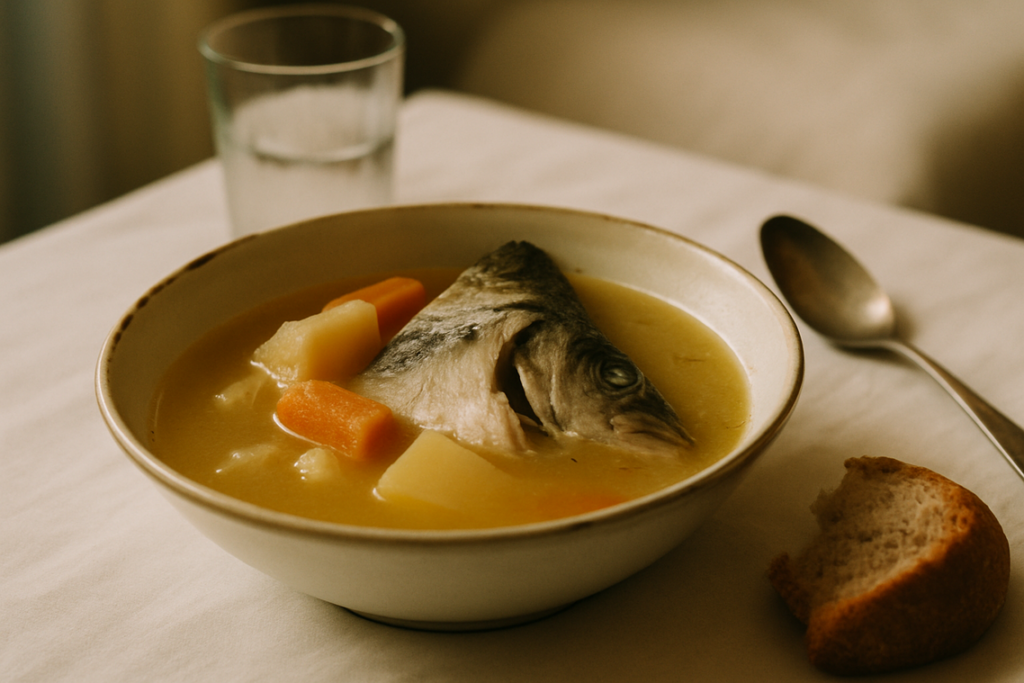
I’ve made Avgolemono soup go wrong more times than I care to admit.
You know that moment when you pour in the egg and lemon mixture and it turns into scrambled egg soup? Yeah. I’ve been there.
The thing is, Avgolemono should be silky and rich. It should coat your spoon. When you get it right, it’s one of the most comforting things you can eat.
But most recipes skip the crucial step that keeps those eggs from curdling. They tell you what to do but not how to actually prevent disaster.
I’m going to show you the technique that changed everything for me. It’s the same method Greek grandmothers have used for generations, and I’ve tested it enough times to know it works every single time.
This is mple istoria glarosoupa. Simple soup history. That’s what we do here.
You’ll learn exactly how to temper those eggs, when to add the lemon, and what temperature actually matters (it’s not what you think).
By the end of this, you’ll have a foolproof method for creamy, tangy Avgolemono that never curdles.
Even on your first try.
What Exactly is Avgolemono? More Than Just Soup
Let me clear something up right away.
Avgolemono isn’t just soup. Most people think it is, but that’s only part of the story.
The word itself tells you what it’s made of. Avgolemono (αβγολέμονο) breaks down to “avgo” (egg) and “lemono” (lemon). Simple ingredients that create something way more interesting.
Here’s what makes it different.
In Greek cooking, avgolemono works as a sauce. You’ll find it poured over stuffed grape leaves, drizzled on vegetables, or mixed into stews. The soup version just happens to be the most famous one outside Greece.
What does it actually taste like?
- Rich and savory from chicken broth
- Bright and tangy from fresh lemon juice
- Creamy without any cream (the egg does that)
That velvety texture comes from tempering the eggs with hot broth. Get it right and you have this silky sauce that coats your spoon. Mess it up and you get scrambled eggs in soup. There’s no middle ground.
Greeks serve it when someone’s sick. They make it for celebrations. My friend’s mple istoria glarosoupa always included a bowl of this when family gathered for Sunday dinner.
It’s comfort food that doesn’t feel heavy. That’s the whole point.
The Essential Ingredients for Authentic Avgolemono
Most recipes tell you any broth will do.
That’s where they lose you.
I’ve made avgolemono dozens of times, and the broth makes or breaks everything. You can’t hide behind fancy techniques when your base tastes like cardboard.
Homemade chicken broth isn’t just better. It’s a different dish entirely. The gelatin from simmered bones gives you body that store-bought versions can’t match (even the expensive ones).
Now, about rice.
Everyone reaches for long-grain because that’s what’s in the pantry. But here’s what happens. Long-grain stays separate and clean. That’s great for pilaf. Terrible for avgolemono.
You want Arborio or another medium-grain rice. The starch releases as it cooks and thickens your soup naturally. That’s the texture you’re after.
For the eggs and lemons, use large eggs at room temperature. Cold eggs don’t emulsify the same way. And fresh lemon juice matters more than you think. Bottled juice tastes flat and one-dimensional.
This is what you need:
- High-quality chicken broth
- Chicken (shredded)
- Medium-grain rice (Arborio works best)
- Large eggs
- Fresh lemons
- Salt and pepper
- Fresh dill for garnish (optional)
Simple ingredients. But each one counts.
That’s the beauty of glarosoupa. When you start with quality, the soup practically makes itself.
The Foolproof Technique: How to Temper Eggs Perfectly

I’ll be honest with you.
The first time I tried tempering eggs, I turned my beautiful broth into scrambled egg soup. It looked like someone had dumped breakfast into my pot.
Not pretty.
But here’s what I learned. Eggs curdle because of heat shock. When cold eggs hit hot liquid, the proteins seize up and turn into those little curds nobody wants floating in their soup.
The fix? You need to raise the temperature of the eggs slowly before they meet the hot broth.
Step 1: The Egg-Lemon Mixture
Start by whisking your eggs until they get frothy. Then slowly whisk in fresh lemon juice. This actually begins to stabilize the eggs (the acid does some of the work for you).
I know some recipes skip this step. I think that’s a mistake.
Step 2: The Slow Ladle
This is where most people mess up.
While you’re constantly whisking that egg mixture, add one ladle of hot broth. Not boiling. Hot. And pour it very, very slowly. Like painfully slow.
This is the actual temper. You’re teaching those eggs to handle heat without panicking.
Step 3: Repeat and Combine
Keep adding broth, one ladle at a time. I usually do 2-3 more ladles, whisking the whole time. Your egg mixture should feel warm when you touch the bowl.
That’s when you know it’s ready.
Step 4: The Final Union
Turn off your heat. This part matters.
Slowly pour the warmed egg mixture back into the pot while stirring gently. The residual heat will thicken everything without scrambling. It’s basically mple istoria glarosoupa at this point.
Some cooks say you can rush this process. That you don’t need to be so careful with every ladle.
Those cooks are wrong.
I’ve tested it both ways. The slow method works every single time. The fast method? Maybe 50/50 if you’re lucky.
Your soup deserves better odds than that.
Step-by-Step Recipe Instructions
Prepare the Base: Bring the chicken broth to a simmer. You’ll see small bubbles breaking the surface and steam rising from the pot. If using uncooked chicken, cook it in the broth first until it’s tender enough to shred easily. Remove it and pull it apart with two forks. Add the rice to the simmering broth and cook until tender (about 15-20 minutes). The grains will soften and start to release their starch. Add the shredded chicken back to the pot.
Ready the Avgolemono: While the rice cooks, prepare the egg-lemon mixture in a separate bowl as described in the tempering section. The bright yellow yolks mixed with pale lemon juice create a silky, golden liquid.
Temper the Eggs: Once the rice is cooked, turn the heat down to low. This is where mple istoria glarosoupa comes together. Begin the tempering process by slowly adding ladles of hot broth to your egg-lemon mixture. You’ll feel the bowl warm in your hands as you whisk.
Combine and Thicken: With the heat off, slowly pour the tempered egg mixture back into the soup pot, stirring constantly. Watch as the soup transforms right before your eyes. It becomes creamy and opaque, with a velvety texture that coats your spoon. Do not let it boil again or the eggs will curdle.
Season and Serve: Season with salt and pepper to taste. The aroma of lemon and chicken fills your kitchen. Let it sit for a few minutes to thicken slightly. Serve immediately, garnished with fresh dill or black pepper.
Pro Tips and Common Mistakes to Avoid
Let me clear something up right now.
Most people think their glarosoupa failed because they did something complicated wrong. But it’s usually something simple.
Mistake #1: Boiling After Adding Eggs
NEVER let the soup boil once that egg mixture goes in. I mean it. This is what curdles your soup every single time.
Keep the heat off. Or if you must, the lowest setting possible.
Pro Tip: Use Room Temperature Eggs
Cold eggs straight from the fridge? They’re asking for trouble. The temperature shock hits them too hard and you end up with scrambled eggs floating in broth (not a good look).
Let them sit on the counter for 30 minutes before you start.
Mistake #2: Rushing the Temper
Pour that hot broth in too fast and you’ll cook the eggs right there in your bowl. This is where people mess up their mple istoria glarosoupa without even realizing it.
Slow and steady. Always.
Pro Tip: For Extra Thickness
Want a thicker soup? Add a teaspoon of cornstarch to your egg-lemon mixture before whisking. It gives you insurance against curdling and creates that silky texture you’re after.
Think of it as a safety net that also makes your soup better.
Your Perfect Bowl of Greek Comfort
You found this recipe because you wanted real Avgolemono soup.
Not the watery version from that restaurant downtown. Not the one that turned into scrambled egg soup when you tried it last time.
I’m talking about the silky, lemony bowl that feels like a warm hug.
The secret isn’t complicated. It’s all about tempering those eggs so they blend into the broth without curdling. Once you get that down, you’ll make this soup on repeat.
You came here worried about messing it up. Now you have a method that works.
The tempering technique takes maybe two minutes. You whisk hot broth into beaten eggs slowly (really slowly), then pour everything back into the pot. That’s it.
No more fear of curdled eggs. No more disappointing results.
mple istoria glarosoupa
Grab your ingredients and get started tonight. Your kitchen is about to smell like a Greek grandmother’s house, and that bowl of comfort is closer than you think.
 Founder & Chief Creative Director
ryan_b7 is the founder of Glarosoupa.com and the creative mind behind its overall vision and direction. He established the platform as a dedicated hub for gaming culture, esports insight, strategy development, and immersive lore exploration. With a strong passion for game mechanics and player psychology, he focuses on shaping content that not only informs but also elevates how players understand and experience games. ryan_b7 oversees the brand’s identity, long-term growth, and creative execution, ensuring everything aligns with a unified gaming-driven purpose. His leadership blends innovation with structure, turning Glarosoupa into a space where competitive and casual gamers can both grow. He continues to push the platform toward becoming a recognizable name in the gaming and esports knowledge space.
Founder & Chief Creative Director
ryan_b7 is the founder of Glarosoupa.com and the creative mind behind its overall vision and direction. He established the platform as a dedicated hub for gaming culture, esports insight, strategy development, and immersive lore exploration. With a strong passion for game mechanics and player psychology, he focuses on shaping content that not only informs but also elevates how players understand and experience games. ryan_b7 oversees the brand’s identity, long-term growth, and creative execution, ensuring everything aligns with a unified gaming-driven purpose. His leadership blends innovation with structure, turning Glarosoupa into a space where competitive and casual gamers can both grow. He continues to push the platform toward becoming a recognizable name in the gaming and esports knowledge space.