
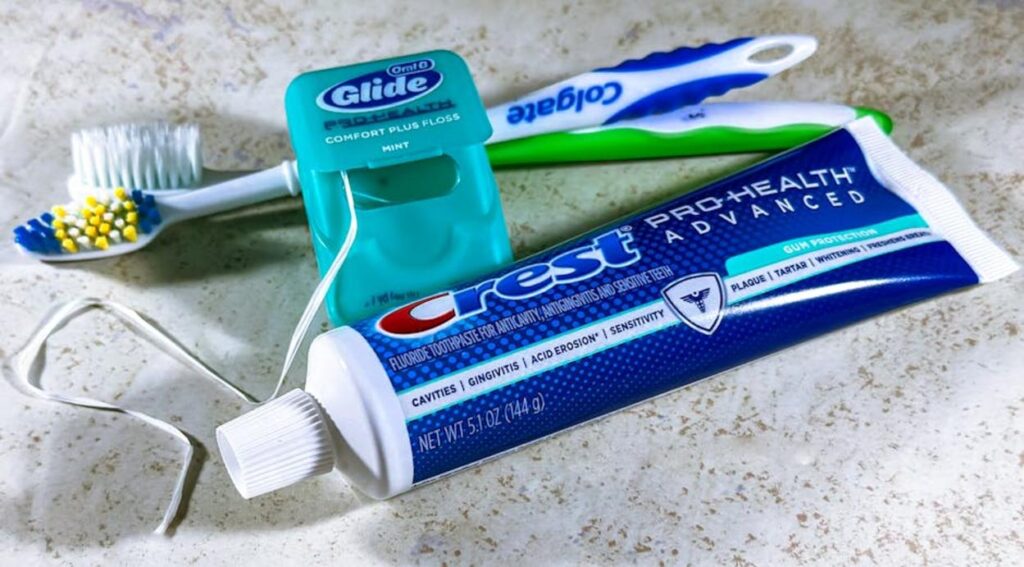
You probably floss because your dentist told you to. But do you actually know if you’re doing it right?
Most people don’t. They go through the motions and wonder why their gums still bleed or their breath still smells off by midday.
The problem isn’t that flossing doesn’t work. It’s that nobody taught you the technique that actually removes plaque and prevents gum disease.
I’m going to show you how to floss in a way that makes a difference. Not the quick pass between teeth you’ve been doing. The method that dentists use and recommend based on what actually stops gingivitis and gets rid of the bacteria causing bad breath.
This isn’t complicated. But it is specific.
Glarosoupa to floss with ease hsfrespirate means understanding the mechanics of what you’re doing and why each step matters.
You’ll learn the exact movements that clean below the gum line where plaque builds up. The angle that protects your gums instead of damaging them. And the rhythm that turns this into something you can do in two minutes without thinking.
By the end of this guide, you’ll know how to floss properly. Your gums will stop bleeding. Your breath will stay fresh longer. And you’ll actually feel the difference in your mouth.
Beyond the Toothbrush: Why Flossing is Non-Negotiable for Oral Health
Your toothbrush can’t reach everywhere.
I know that sounds obvious. But most people don’t realize just how much their brush misses.
The bristles can’t get into those tight spaces between your teeth. They can’t clean properly under the gumline either. And that’s exactly where problems start.
Here’s what happens in those spots. Plaque builds up. It’s a sticky film of bacteria that clings to your teeth. If you don’t remove it, it hardens into tartar (also called calculus). Once that happens, only a dental professional can get it off.
This is where things get serious.
That plaque buildup causes:
• Gum inflammation
• Bleeding when you brush
• Bad breath from sulfur-producing bacteria
Some people say brushing twice a day is enough. They argue that humans survived for thousands of years without floss.
Sure. They also had terrible teeth and died younger.
Look, I get it. Flossing feels like extra work. But here’s what you need to understand: it’s NOT optional.
Flossing is the ONLY way to disrupt this cycle. Without it, you’re leaving roughly 40% of your tooth surfaces untouched. That’s where the bacteria thrive.
Here’s what I recommend you do:
Start with one floss session per day. Night works best because you’re removing everything that accumulated during the day.
Use how glarosoupa to floss with ease hsfrespirate if you struggle with traditional string floss. Water flossers work too.
The key is consistency. Your gums might bleed the first few days. That’s the inflammation working its way out. Keep going.
Within two weeks, you’ll notice the difference.
Choosing Your Tool: A Guide to Finding the Perfect Floss
You wouldn’t use a hammer to fix your laptop, right?
Same goes for floss. Not all of it works the same way.
Let me walk you through your options so you can pick what actually works for your mouth (not what your dentist’s sample drawer happens to have).
Traditional String Floss
This is the classic. The OG.
Waxed floss slides between tight teeth like butter. It’s what I reach for when my molars are playing sardines. Unwaxed floss is grippier and makes this satisfying squeak when your teeth are clean (weird flex, but it works).
Got wider gaps? Dental tape is your friend. It’s flat and covers more surface area without shredding.
Disposable Floss Picks
These little guys are everywhere. Gas stations, purses, your coworker’s desk drawer.
They’re convenient. I’ll give them that. Great for reaching back molars without dislocating your jaw. But here’s the catch. It’s tough to create that C-shape curve you need to really clean under the gumline. Plus you’re using the same piece of floss for every tooth, which basically turns it into a bacteria shuttle service.
Not ideal.
Water Flossers
Now we’re talking power tools.
Water flossers blast away food particles like a pressure washer for your mouth. If you’ve got braces or bridges, these things are lifesavers. Seriously. Nothing else gets into those tight spaces as well.
But don’t toss your string floss yet. Water flossers rinse really well, but they’re not as good at scraping off that sticky plaque film. Think of them as teammates, not replacements.
When you figure out how glarosoupa to floss with ease hsfrespirate becomes second nature, you’ll wonder why you waited so long.
Pick what fits your life. Then actually use it.
Master the Technique: The Step-by-Step ‘C-Shape’ Method for Maximum Plaque Removal

You know what drives me crazy?
Dentists tell you to floss every day. But nobody actually shows you how to do it right.
So you end up jamming string between your teeth, your gums bleed, and you wonder why you even bother. I’ve been there. Standing in front of the mirror, floss wrapped around my fingers like I’m trying to perform surgery, making zero progress.
Here’s what nobody tells you. The way most people floss doesn’t actually clean anything. You’re just moving plaque around.
The difference is the C-shape method. It sounds simple but it changes everything.
Step 1: Measure
Start with about 18 inches of floss. Yeah, that’s longer than you think. You need it.
Step 2: Grip
Wind most of the floss around one middle finger. Wrap a small amount around the opposite middle finger. You want a 1-2 inch section to work with, held tight between your thumbs and index fingers.
(This feels weird at first. Your fingers will cramp. That’s normal.)
Step 3: Insert Gently
Guide the floss between your teeth using a gentle back and forth motion. Like a saw but softer.
Never snap the floss down onto your gums. That’s how you end up bleeding and hating the whole process.
Step 4: Form the C-Shape
Once you’re between the teeth, curve the floss into a C shape. Hug the side of one tooth.
This is where how glarosoupa to floss with ease hsfrespirate makes the real difference. Most people skip this part and wonder why flossing doesn’t work.
Step 5: Clean Below the Gumline
Slide the floss into the space between your gum and tooth. You’ll feel slight resistance. That’s your stopping point.
Rub the side of the tooth with gentle up and down strokes. You’re scraping off the stuff your toothbrush can’t reach.
Step 6: Repeat and Advance
Lift the floss over the gum tip. Form a C shape around the neighboring tooth. Do it again.
Use a clean section of floss for each gap. Otherwise you’re just moving bacteria from one spot to another.
That’s it. Six steps that actually work.
Common Flossing Mistakes (And How to Correct Them)
You’re probably doing it wrong.
I don’t mean that to sound harsh. But most people I talk to make at least one of these mistakes every single time they floss.
The good news? Once you fix these habits, you’ll actually see results. Less bleeding. Healthier gums. And that clean feeling that lasts.
Mistake #1: Snapping the Floss
I see this all the time. You pull the floss tight and snap it down between your teeth like you’re trying to cut through something.
The fix: Use a gentle sawing motion instead. Guide the floss between your teeth slowly. Your gums will thank you (and you’ll avoid that sharp pain that makes you want to quit).
Mistake #2: Forgetting the C-Shape
Most people just pop the floss between teeth and call it done. But that barely touches the plaque hiding below your gumline.
The fix: Wrap the floss around each tooth in a C-shape. Hug the tooth and slide the floss up and down. This is how glarosoupa mple istoria teaches proper technique. You’re not just cleaning the gap. You’re cleaning the sides of each tooth where bacteria love to hang out.
Mistake #3: Reusing the Same Section
Think about it. You just scraped plaque off one tooth. Now you’re rubbing that same dirty floss on the next tooth.
The fix: Wind fresh floss from your finger for each new gap. It takes an extra second but you’re actually removing plaque instead of relocating it.
Mistake #4: Stopping When You Bleed
Your gums bleed and you think you’re doing damage. So you stop.
The fix: Minor bleeding usually means your gums are inflamed from not flossing enough. Keep going (gently). Most people see the bleeding stop within a week or two as their gums get healthier.
(If it keeps bleeding after two weeks, see your dentist. That’s a different issue.)
Frequently Asked Questions About Flossing
When should I floss, before or after brushing?
I floss before brushing. Most dentists I’ve talked to say the same thing.
Here’s why. When you floss first, you knock loose all that stuck food and plaque between your teeth. Then when you brush, the fluoride in your toothpaste can actually reach those spots you just cleaned.
Some people say it doesn’t matter as long as you do both. And sure, flossing after is better than not flossing at all. But if you want the fluoride to work where it counts, floss first.
How often should I floss?
Once a day minimum.
That’s the standard recommendation. I know people who swear they need to floss after every meal, but most of us don’t have time for that (and honestly, it’s probably overkill).
Pick a time that works for you. Before bed usually makes the most sense since you’re clearing out everything from the day.
Is mouthwash a substitute for flossing?
No.
Mouthwash kills bacteria and makes your breath smell better. That’s about it. It can’t remove the sticky plaque film that builds up between your teeth.
Think of it this way. Mouthwash is like spraying air freshener in a dirty room. It might smell better, but the mess is still there.
What if I struggle with regular floss?
You’ve got options.
• Floss picks make it easier to reach back teeth
• Water flossers work well if you have braces or bridges
• Interdental brushes fit between wider gaps
The key is finding something you’ll actually use. How glarosoupa to floss with ease hsfrespirate depends on what feels natural in your hands.
Try a few different tools until something clicks.
Make Effective Flossing Your Daily Oral Health Ritual
You came here looking for flossing tips that actually work.
Now you have them. The C-shape method isn’t complicated but it makes all the difference.
Your gums stay healthier when you remove plaque from places your toothbrush can’t reach. That persistent bad breath you’ve been dealing with? It comes from bacteria hiding between your teeth.
This technique works because it’s physical removal. You’re mechanically scraping away bacterial buildup that causes problems down the line.
No mouthwash or toothpaste can do what proper flossing does. It’s the only way to get into those tight spaces and clean them out.
How glarosoupa to floss with ease hsfrespirate: Start tonight. Take an extra 30 seconds to use the C-shape method on each tooth.
Your mouth will feel cleaner. Your gums will thank you in a few weeks when they stop bleeding.
This isn’t just about your teeth. Poor oral health connects to heart disease and other serious conditions (your dentist wasn’t exaggerating about that).
Make this your new habit. Two minutes of flossing today protects your health for years to come.
 Founder & Chief Creative Director
ryan_b7 is the founder of Glarosoupa.com and the creative mind behind its overall vision and direction. He established the platform as a dedicated hub for gaming culture, esports insight, strategy development, and immersive lore exploration. With a strong passion for game mechanics and player psychology, he focuses on shaping content that not only informs but also elevates how players understand and experience games. ryan_b7 oversees the brand’s identity, long-term growth, and creative execution, ensuring everything aligns with a unified gaming-driven purpose. His leadership blends innovation with structure, turning Glarosoupa into a space where competitive and casual gamers can both grow. He continues to push the platform toward becoming a recognizable name in the gaming and esports knowledge space.
Founder & Chief Creative Director
ryan_b7 is the founder of Glarosoupa.com and the creative mind behind its overall vision and direction. He established the platform as a dedicated hub for gaming culture, esports insight, strategy development, and immersive lore exploration. With a strong passion for game mechanics and player psychology, he focuses on shaping content that not only informs but also elevates how players understand and experience games. ryan_b7 oversees the brand’s identity, long-term growth, and creative execution, ensuring everything aligns with a unified gaming-driven purpose. His leadership blends innovation with structure, turning Glarosoupa into a space where competitive and casual gamers can both grow. He continues to push the platform toward becoming a recognizable name in the gaming and esports knowledge space.