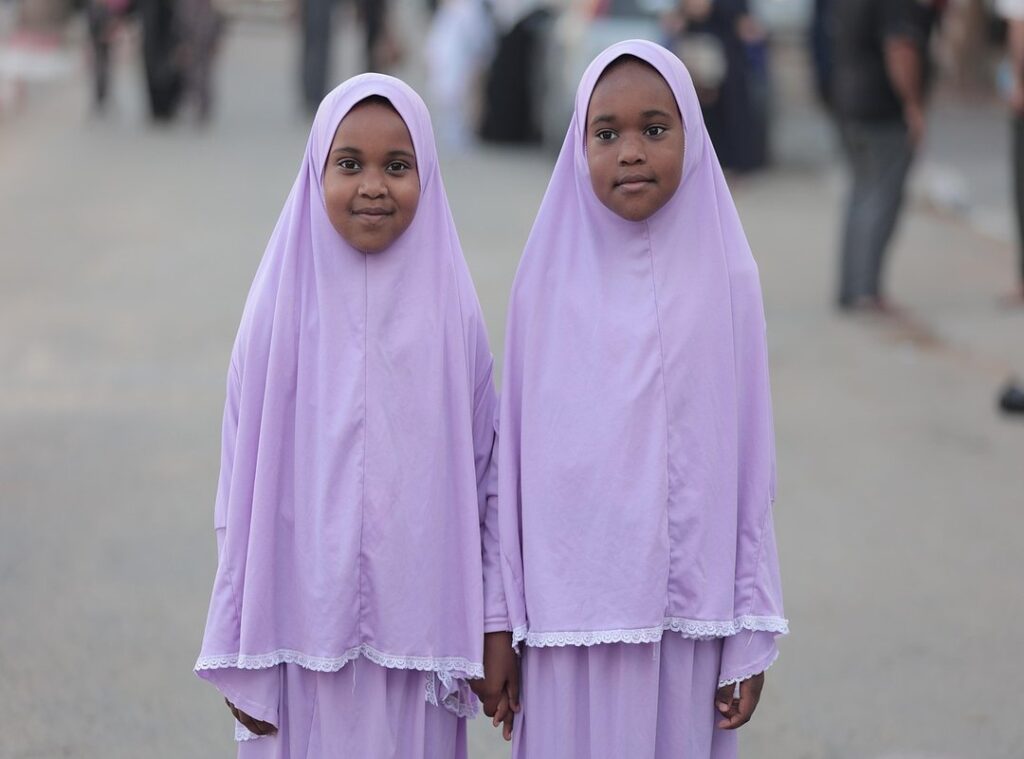
I’ve always been drawn to the power of images. They can tell a story, evoke emotions, and connect us to something deeper. When I first saw wallpaper palestine perempuan, I was struck by the themes they explore.
Sumud, or steadfastness, is a central theme. It’s visually represented in the images of Palestinian women, showing their resilience and strength.
Cultural preservation is another key theme. You see it in the traditional thobes with intricate tatreez embroidery. These wallpapers are more than just pretty pictures.
They capture a range of emotions, from sorrow and struggle to joy and unwavering strength.
The connection to land and nature is also powerful. Olive trees, poppies, and the Palestinian landscape serve as backdrops, grounding these images in a specific place and history. Intergenerational connections are highlighted too.
Mothers, daughters, and grandmothers pass down traditions, keeping their culture alive.
These wallpapers are not just about aesthetics. They’re about telling a story and evoking feelings. I hope you’ll feel the same way as you explore them.
Finding Your Style: A Look at Different Artistic Interpretations
When it comes to wallpaper palestine perempuan, the variety of styles can be overwhelming. But each style offers a unique way to connect with the powerful stories and emotions of Palestinian women.
Category 1: Photorealistic Portraits. These are high-resolution photographs that capture the raw emotion in the daily lives or moments of protest. Look for the intensity in their eyes, the lines on their faces, and the strength in their postures.
A close-up photo of an elderly woman’s hands weaving, for instance, can speak volumes.
Category 2: Modern Graphic & Vector Art. This style uses bold colors and clean lines to create visually striking images. It’s perfect for sharing on social media.
Think of a minimalist graphic of a woman’s silhouette filled with a tatreez pattern. The simplicity and clarity make these designs stand out.
Category 3: Traditional & Folk Art Inspired. These wallpapers mimic the rich textures and historical motifs found in Palestinian paintings or embroidery. They often feature intricate patterns and vibrant colors.
Imagine a detailed depiction of a traditional dress, complete with every stitch and thread.
Category 4: Abstract & Symbolic Representations. These wallpapers use symbols like silhouettes and the keffiyeh pattern to represent Palestinian womanhood. They might not show a full portrait but still convey deep meaning.
A good example is a design where the keffiyeh pattern forms the shape of a woman’s face, blending tradition and modernity. Glarosoupa
Each category has its own strengths. Photorealistic portraits offer a direct, emotional connection. Modern graphics are eye-catching and shareable.
Traditional and folk art-inspired designs honor cultural heritage. And abstract representations provide a more symbolic, thought-provoking experience.
Choosing the right style depends on what you want to communicate. Do you want to evoke strong emotions? Or perhaps you aim to spark conversations about culture and identity?
Whatever your goal, there’s a style that fits.
Understanding the Symbols: The Meaning Behind the Art
The Keffiyeh is more than just a piece of fabric. It’s a symbol of Palestinian nationalism, heritage, and resistance. You often see it worn or incorporated into the background in art and everyday life.
The Olive Tree is another powerful symbol. It represents peace, longevity, and the deep-rooted connection of Palestinians to their land. These trees are not just part of the landscape; they’re a part of the culture and identity.
Tatreez Embroidery is a visual language of identity. The specific patterns and colors can signify a woman’s village or marital status. It’s a way for women to express their heritage and personal stories through intricate designs.
The Key is a poignant symbol. It represents the homes lost during the Nakba and the hope for the right of return. For many, it’s a reminder of displacement and a symbol of resilience and hope.
The Poppy Flower, a native flower, has become a symbol of remembrance and connection to the land. It’s a beautiful and meaningful way to honor the past and the ongoing struggle.
- Understand the symbols: Take the time to learn about the Keffiyeh, Olive Tree, Tatreez Embroidery, the Key, and the Poppy Flower. Each one carries deep cultural and historical significance.
- Support Palestinian artists: By purchasing and appreciating their work, you help preserve and promote these important symbols. Look for authentic pieces that use traditional techniques.
- Incorporate the symbols in your own space: Consider using wallpaper palestine perempuan or other decorative items that feature these symbols. It’s a way to show solidarity and appreciation for the culture.
By understanding and supporting these symbols, you can connect more deeply with the rich and resilient culture of Palestine.
Where to Find High-Quality and Ethically Sourced Wallpapers
When looking for unique and ethically sourced wallpapers, consider platforms that support independent artists. Etsy, Behance, or DeviantArt are great places to start. Use specific keywords like ‘Palestinian art’ or ‘support Palestine artist’ to find relevant works.
Follow Palestinian artists and graphic designers directly on social media platforms like Instagram and Twitter. They often share their latest creations and projects.
Non-profit organizations and solidarity campaigns sometimes offer digital downloads to supporters. Check their websites for available options.
Always check for artist credits. wallpaper palestine perempuan is a good example of what to search for. Support the creators directly by purchasing prints or digital files to ensure they are compensated for their work.
 Senior Gaming Content Strategist & Lore Analyst
al_sonar serves as a Senior Gaming Content Strategist and Lore Analyst at Glarosoupa.com, specializing in interpreting gaming trends and transforming them into meaningful, engaging content. She has a deep focus on narrative-driven games, exploring complex lore systems and world-building elements that enrich player experience. Her role involves creating structured guides, analytical breakdowns, and insight-driven content that helps players improve both strategically and intellectually. She also contributes to esports-related analysis, ensuring the platform stays aligned with current competitive developments. Known for her ability to merge storytelling with tactical insight, al_sonar brings depth and clarity to the gaming content ecosystem. Her work helps bridge the gap between casual enjoyment and competitive mastery.
Senior Gaming Content Strategist & Lore Analyst
al_sonar serves as a Senior Gaming Content Strategist and Lore Analyst at Glarosoupa.com, specializing in interpreting gaming trends and transforming them into meaningful, engaging content. She has a deep focus on narrative-driven games, exploring complex lore systems and world-building elements that enrich player experience. Her role involves creating structured guides, analytical breakdowns, and insight-driven content that helps players improve both strategically and intellectually. She also contributes to esports-related analysis, ensuring the platform stays aligned with current competitive developments. Known for her ability to merge storytelling with tactical insight, al_sonar brings depth and clarity to the gaming content ecosystem. Her work helps bridge the gap between casual enjoyment and competitive mastery.